Tagine: A Journey to the Heart of Moroccan Cuisine

preahvihearhotel.com – The tagine, a slow-cooked stew named after the distinctive earthenware pot in which it’s traditionally prepared, is a cornerstone of Moroccan cuisine. This flavorful and aromatic dish, brimming with meat, vegetables, and a symphony of spices, offers a culinary journey to North Africa. This article delves into the history, preparation, variations, and cultural significance of the tagine, exploring why it remains a beloved dish enjoyed worldwide.   

A History Etched in Clay: The Origins of the Tagine

The tagine’s history is intertwined with the history of North Africa. The conical lid of the tagine pot is designed to return condensation to the dish, a technique that likely originated out of the need to conserve water in arid regions. The Berbers, the indigenous people of North Africa, are credited with developing the tagine centuries ago. The slow-cooking method allowed them to tenderize tougher cuts of meat and create flavorful meals using locally available ingredients.   

The Tagine Pot: A Vessel of Flavor

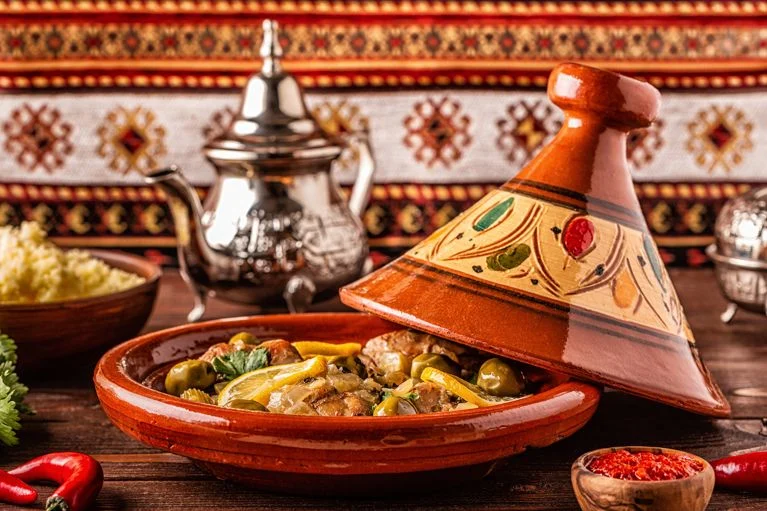
The tagine pot itself is a crucial element of the dish. Traditionally made of clay, the pot’s wide, shallow base and conical lid create a unique cooking environment. The shape of the lid helps to trap steam and condensation, which then drips back down into the dish, keeping the ingredients moist and flavorful. While traditional clay tagines are still used, modern versions made of ceramic or other materials are also available.   

A Symphony of Ingredients: Building Layers of Flavor

The beauty of the tagine lies in its versatility. While there are countless variations, some common ingredients include:

  • Meat: Lamb, chicken, and beef are commonly used meats in tagines.   
  • Vegetables: A wide array of vegetables can be used, including onions, carrots, potatoes, tomatoes, zucchini, and bell peppers.
  • Dried Fruit and Nuts: Dried apricots, prunes, raisins, and almonds are often added for sweetness and texture.   
  • Spices: The spice blend is crucial to the tagine’s flavor profile. Common spices include cumin, coriander, ginger, turmeric, cinnamon, saffron, and paprika.   
  • Preserved Lemons and Olives: These ingredients add a distinctive tangy and salty flavor.   
  • Oil: Olive oil is typically used for cooking.   
  • Liquids: Broth, water, or a combination of both are used to create the stew’s liquid base.   

The Art of Preparation: Slow Cooking for Maximum Flavor

Preparing a tagine is a process that requires patience, but the results are well worth the effort:

  1. Sautéing Aromatics: Onions, garlic, and ginger are typically sautéed in oil until softened.
  2. Adding Spices: Spices are added to the sautéed aromatics and cooked briefly to release their flavors.   
  3. Adding Meat: The meat is browned and then removed from the pot.
  4. Layering Vegetables and Other Ingredients: Vegetables, dried fruit, nuts, preserved lemons, and olives are layered in the tagine pot.   
  5. Returning Meat and Adding Liquid: The browned meat is returned to the pot, and broth or water is added.
  6. Slow Cooking: The tagine is then covered and simmered over low heat for several hours, allowing the flavors to meld and the meat to become incredibly tender.   

Variations Across Morocco: Regional Specialties

Different regions of Morocco have their own unique tagine variations. For example:

  • Tagine with Lamb and Prunes: This sweet and savory tagine is a classic combination.   
  • Chicken Tagine with Preserved Lemons and Olives: This tagine offers a tangy and salty flavor profile.   
  • Vegetable Tagine: This vegetarian option is packed with seasonal vegetables and aromatic spices.   

Cultural Significance: A Dish of Sharing and Hospitality

The tagine is more than just a meal; it is a symbol of Moroccan hospitality and sharing. It is often served in a communal setting, with everyone gathered around the tagine pot, scooping out portions with bread.   

Beyond Morocco: The Tagine’s Global Journey

The tagine’s popularity has spread beyond Morocco, with variations appearing in other parts of the world. Its unique flavors and slow-cooking method have captured the attention of chefs and food enthusiasts worldwide.   

In Conclusion:

The tagine is a culinary masterpiece that embodies the rich history and culture of Morocco. Its aromatic spices, tender meats, and flavorful vegetables create a symphony of tastes and textures that continue to delight palates around the globe. From its humble origins to its current status as a beloved dish worldwide, the tagine remains a testament to the power of slow cooking and the art of combining simple ingredients to create extraordinary flavors.
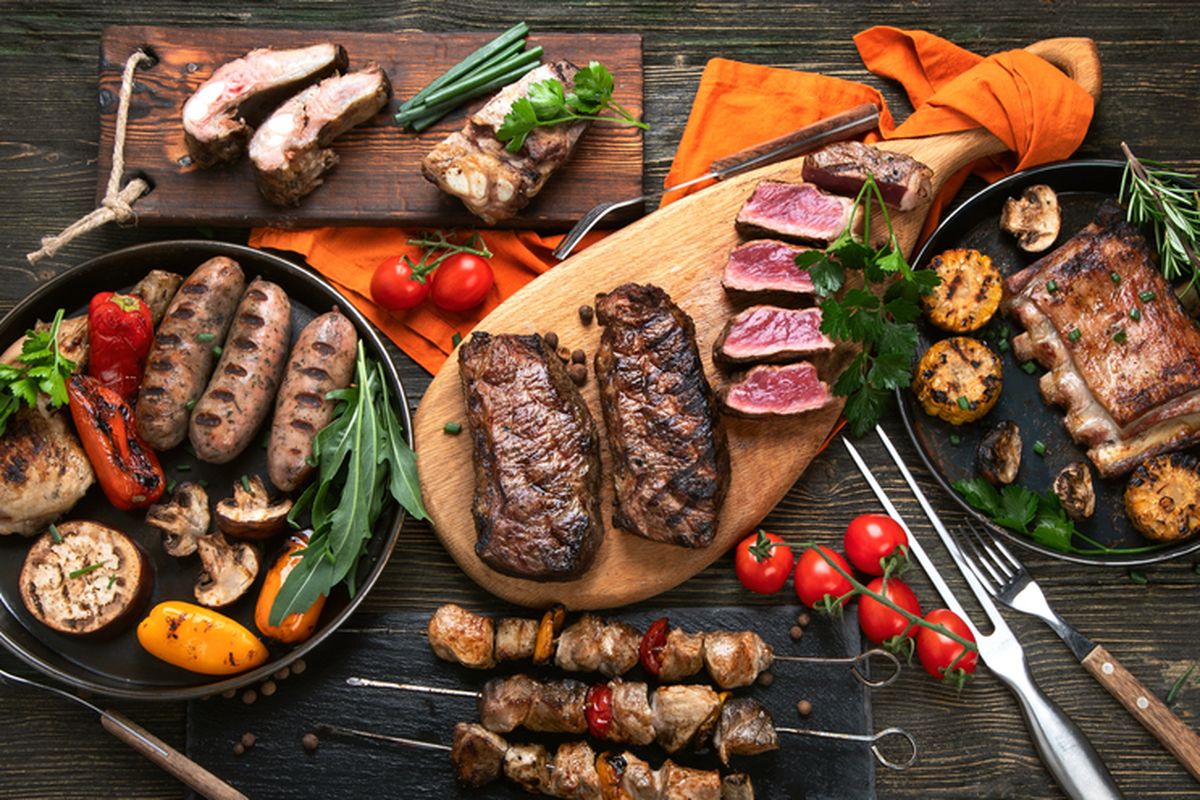
Nikmati Kelezatan Daging Panggang di 5 Restoran BBQ Terbaik Indonesia

Berikut adalah 5 Restoran BBQ Terbaik di Indonesia yang wajib Anda kunjungi untuk menikmati kelezatan daging panggang yang menggoda selera situs slot deposit 5k:

  1. Holy Smokes BBQ
    • Lokasi: Jakarta
    • Deskripsi: Jika Anda mencari pengalaman BBQ otentik ala Amerika, Holy Smokes BBQ adalah tempat yang tepat. Mereka menyajikan daging panggang berkualitas tinggi seperti beef brisket, pulled pork, dan ribs yang dimasak dengan teknik slow-cooked. Rasakan citarasa smoky yang kuat, dengan saus BBQ yang menggugah selera. Tempat ini juga cocok untuk Anda yang ingin menikmati hidangan BBQ dengan suasana yang nyaman.
  2. T.G.I. Friday’s
    • Lokasi: Jakarta, Surabaya, Bali
    • Deskripsi: T.G.I. Friday’s adalah salah satu restoran internasional yang populer di Indonesia, menawarkan pilihan menu BBQ yang tidak kalah lezat. Dikenal dengan Ribs, BBQ Chicken dan berbagai hidangan daging panggang lainnya, restoran ini memberikan suasana makan yang hangat dan cocok untuk makan bersama teman atau keluarga. Jangan lewatkan juga pilihan minuman segar mereka untuk melengkapi santapan.
  3. The Smoke House BBQ
    • Lokasi: Bandung
    • Deskripsi: The Smoke House BBQ di Bandung menyajikan berbagai pilihan daging panggang yang dimasak dengan teknik slow-cooked. Dikenal dengan beef ribs yang juicy dan chicken wings yang lezat, restoran ini menawarkan pengalaman makan BBQ yang autentik. Setiap potongan daging dibumbui dengan rempah-rempah yang kaya, memberikan rasa yang mendalam dan smoky. Suasana restoran yang nyaman menjadikannya tempat yang sempurna untuk bersantai.
  4. Bubur Ayam & BBQ 88
    • Lokasi: Jakarta
    • Deskripsi: Menggabungkan cita rasa BBQ dengan masakan Indonesia, Bubur Ayam & BBQ 88 menyajikan hidangan BBQ dengan pilihan daging yang menggugah selera, seperti spare ribs dan grilled chicken. Kombinasi antara hidangan BBQ dan bubur ayam menjadikannya tempat yang unik untuk merasakan kelezatan daging panggang di tengah menu Indonesia yang kaya. Satu tempat dengan berbagai pilihan rasa yang bisa dinikmati semua kalangan.
  5. Korean BBQ & Grill
    • Lokasi: Jakarta, Bali, Surabaya
    • Deskripsi: Menawarkan pengalaman makan BBQ ala Korea, Korean BBQ & Grill memungkinkan Anda untuk memanggang daging pilihan langsung di meja. Dari beef bulgogi, pork belly, hingga samgyeopsal (pork belly BBQ), restoran ini menyediakan beragam pilihan daging yang bisa dipanggang sesuai selera. Dilengkapi dengan berbagai banchan (side dishes) khas Korea, restoran ini menawarkan pengalaman makan BBQ yang interaktif dan menyenangkan.

Kelima restoran ini memberikan pengalaman BBQ yang berbeda, dari cita rasa Amerika, Korea, hingga Indonesia, sehingga Anda bisa memilih sesuai dengan selera dan menikmati kelezatan daging panggang di berbagai sudut Indonesia!

Paneer Tikka Masala: A Vegetarian Delight

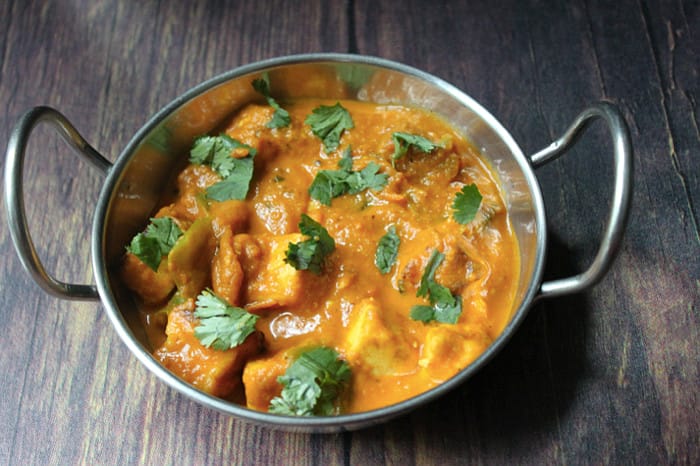
preahvihearhotel.com – Paneer Tikka Masala is a popular vegetarian Indian dish that has gained widespread acclaim for its rich, creamy sauce and tender, flavorful paneer cheese. It is a vegetarian adaptation of the classic Chicken Tikka Masala, offering a delicious and satisfying alternative for those who prefer plant-based meals.

The Origins of Paneer Tikka Masala

While the exact origins of Paneer Tikka Masala are uncertain, it is believed to have emerged in the Indian subcontinent, likely in the mid-20th century. As vegetarianism and veganism gained popularity, chefs began experimenting with plant-based alternatives to traditional meat dishes. Paneer, a fresh Indian cheese, proved to be an ideal substitute for chicken or lamb, offering a firm texture and a mild, slightly nutty flavor.

Key Ingredients and Flavors

The key ingredients in Paneer Tikka Masala are:

  • Paneer: A fresh Indian cheese that is often marinated and grilled before being added to the sauce.
  • Tomato Sauce: A rich, tomato-based sauce that provides a tangy and slightly sweet flavor.
  • Cream: Adds richness and creaminess to the sauce.
  • Spices: A blend of aromatic spices, such as garam masala, cumin, coriander, turmeric, and chili powder, gives the dish its distinctive flavor profile.

The combination of these ingredients results in a dish that is both comforting and flavorful. The creamy, tomato-based sauce clings to the tender paneer, creating a mouthwatering experience.

How to Make Paneer Tikka Masala at Home

Making Paneer Tikka Masala at home is easier than you might think. Here’s a basic recipe to get you started:

Ingredients:

  • 1 pound paneer, cut into cubes
  • 1 cup plain yogurt
  • 1 teaspoon garam masala
  • 1/2 teaspoon cumin powder
  • 1/4 teaspoon coriander powder
  • 1/4 teaspoon red chili powder
  • 1 teaspoon ginger paste
  • 1 teaspoon garlic paste
  • 1 tablespoon lemon juice
  • 1 tablespoon butter
  • 1 onion, finely chopped
  • 2 cloves garlic, minced
  • 1 inch piece of ginger, grated
  • 1 can (28 ounces) crushed tomatoes
  • 1 cup heavy cream
  • Salt and pepper to taste
  • Fresh cilantro, for garnish

Instructions:

  1. Marinate the Paneer: In a bowl, combine the yogurt, garam masala, cumin powder, coriander powder, red chili powder, ginger paste, garlic paste, and lemon juice. Add the paneer cubes and marinate for at least 30 minutes, or preferably overnight.
  2. Grill the Paneer: Thread the marinated paneer cubes onto skewers. Grill the skewers until the paneer is slightly charred and cooked through.
  3. Make the Sauce: In a large skillet, heat the butter over medium-high heat. Add the onion, garlic, and ginger. Cook until softened and fragrant. Add the crushed tomatoes, heavy cream, salt, and pepper. Bring to a boil, then reduce heat and simmer for 10-15 minutes, or until the sauce thickens.
  4. Combine and Serve: Add the grilled paneer to the sauce and simmer for a few more minutes, until the paneer is heated through and the flavors are well combined. Garnish with fresh cilantro and serve hot with naan or rice.

Tips for the Perfect Paneer Tikka Masala:

  • Use high-quality paneer: The quality of the paneer will directly impact the taste of the dish.
  • Don’t overcook the paneer: Overcooking can make the paneer tough and rubbery.
  • Adjust the spice level to your liking: If you prefer a milder dish, reduce the amount of red chili powder.
  • Serve immediately: Paneer Tikka Masala is best enjoyed fresh.
  • Experiment with different variations: Try adding different vegetables, such as bell peppers or spinach, to the sauce.

Baklava: A Sweet Symphony of Layers and Flavors

preahvihearhotel.com – Baklava, a beloved dessert in many Middle Eastern and Mediterranean countries, is a masterpiece of pastry-making. This decadent treat consists of layers of thin phyllo dough, filled with a mixture of chopped nuts, such as pistachios, walnuts, or almonds, and sweetened with honey or sugar syrup.

A Rich History

The origins of Baklava can be traced back to the Ottoman Empire, where it was enjoyed by sultans and commoners alike. Over time, the recipe for Baklava has evolved, with different regions adding their own unique twists. Today, Baklava is enjoyed in various forms, from the classic Turkish Baklava to the Greek Baklava, each with its own distinct flavor profile.

The Art of Making Baklava

Creating the perfect Baklava requires patience, skill, and a delicate touch. The phyllo dough, a paper-thin pastry, is carefully layered and brushed with melted butter. The nut mixture, often flavored with cinnamon and cardamom, is then spread over the dough. The pastry is then cut into diamond shapes and baked until golden brown. Once baked, the Baklava is drenched in a sweet syrup, which infuses the pastry with a rich, honeyed flavor.

A Symphony of Flavors

Baklava is a symphony of flavors and textures. The crisp, flaky pastry, the nutty filling, and the sweet syrup combine to create a truly indulgent experience. The addition of spices like cinnamon and cardamom adds depth and complexity to the flavor profile.

The Prickly Delicacy: A Deep Dive into Artichokes

preahvihearhotel.com – Artichokes, with their unique appearance and distinctive flavor, have captured the hearts and palates of food enthusiasts around the globe. These thistle-like vegetables are not only visually striking but also offer a wealth of health benefits. In this article, we will explore the fascinating world of artichokes, from their history and cultivation to their culinary uses and nutritional value.

A Brief History

The origins of artichoke cultivation can be traced back to ancient Rome, where they were prized for their medicinal and culinary properties. The Romans introduced artichokes to various parts of Europe, and they eventually spread to other continents. Today, artichokes are cultivated in many countries, including Italy, France, Spain, and the United States.

Types of Artichokes

There are two primary types of artichokes:

  • Globe Artichokes: These are the most common type, characterized by their large, round heads and edible heart.
  • Cardoon Artichokes: Also known as cardoons, these artichokes have long, spiny stalks that are the edible part.

Cultivation

Artichokes are perennial plants that thrive in warm, Mediterranean climates. They require well-drained soil and plenty of sunlight. The plants produce a central stalk with lateral shoots, each of which develops into a flower head. The flower heads are harvested before they fully bloom, while they are still tender and flavorful.

Nutritional Benefits

Artichokes are packed with essential nutrients and offer a range of health benefits:

  • Rich in Fiber: Artichokes are a good source of fiber, which aids in digestion and promotes satiety.
  • Antioxidants: The antioxidants in artichokes help protect cells from damage caused by free radicals.
  • Heart Health: The potassium in artichokes helps regulate blood pressure and reduce the risk of heart disease.
  • Liver Health: The compounds in artichokes may help support liver function and detoxification.
  • Digestive Health: The fiber content in artichokes can help alleviate digestive issues like constipation.

Culinary Uses

Artichokes are a versatile ingredient that can be enjoyed in various ways. Here are some popular culinary uses:

  • Steaming: A classic preparation method that preserves the artichoke’s delicate flavor and tender texture.
  • Boiling: Boiling artichokes is a simple and effective way to cook them, often followed by a dip in lemon butter or vinaigrette.
  • Grilling: Grilling adds a smoky flavor to artichokes, making them a perfect addition to summer meals.
  • Frying: Fried artichoke hearts are a popular appetizer or side dish, often served with a dipping sauce.
  • Stuffed Artichokes: Hollowed-out artichoke hearts can be stuffed with a variety of fillings, such as breadcrumbs, herbs, and cheese.
  • Pesto: Artichokes can be used to make a delicious and nutritious pesto sauce.

Selecting and Storing Artichokes

When selecting artichokes, look for those that are heavy for their size and have tightly closed leaves. Avoid artichokes with open or discolored leaves. Store artichokes in the refrigerator, wrapped in plastic, for up to a week.

Conclusion

Artichokes, with their unique flavor, nutritional benefits, and culinary versatility, are a true culinary delight. Whether you enjoy them steamed, grilled, or stuffed, artichokes are sure to elevate your dining experience. By incorporating this prickly delicacy into your diet, you can savor its delicious taste and reap the rewards of its many health benefits.

Kimchi Bokkeumbap: A Flavorful Journey with Kimchi Fried Rice

preahvihearhotel.com – Kimchi Bokkeumbap, or kimchi fried rice, is a beloved Korean dish that combines the bold flavors of kimchi with the comforting simplicity of fried rice. This flavorful and satisfying meal is a staple in Korean households and has gained popularity around the world for its perfect balance of savory, spicy, and tangy notes. Whether enjoyed as a quick lunch or a hearty dinner, kimchi bokkeumbap offers a delicious way to experience Korean cuisine.

The Essence of Kimchi Bokkeumbap

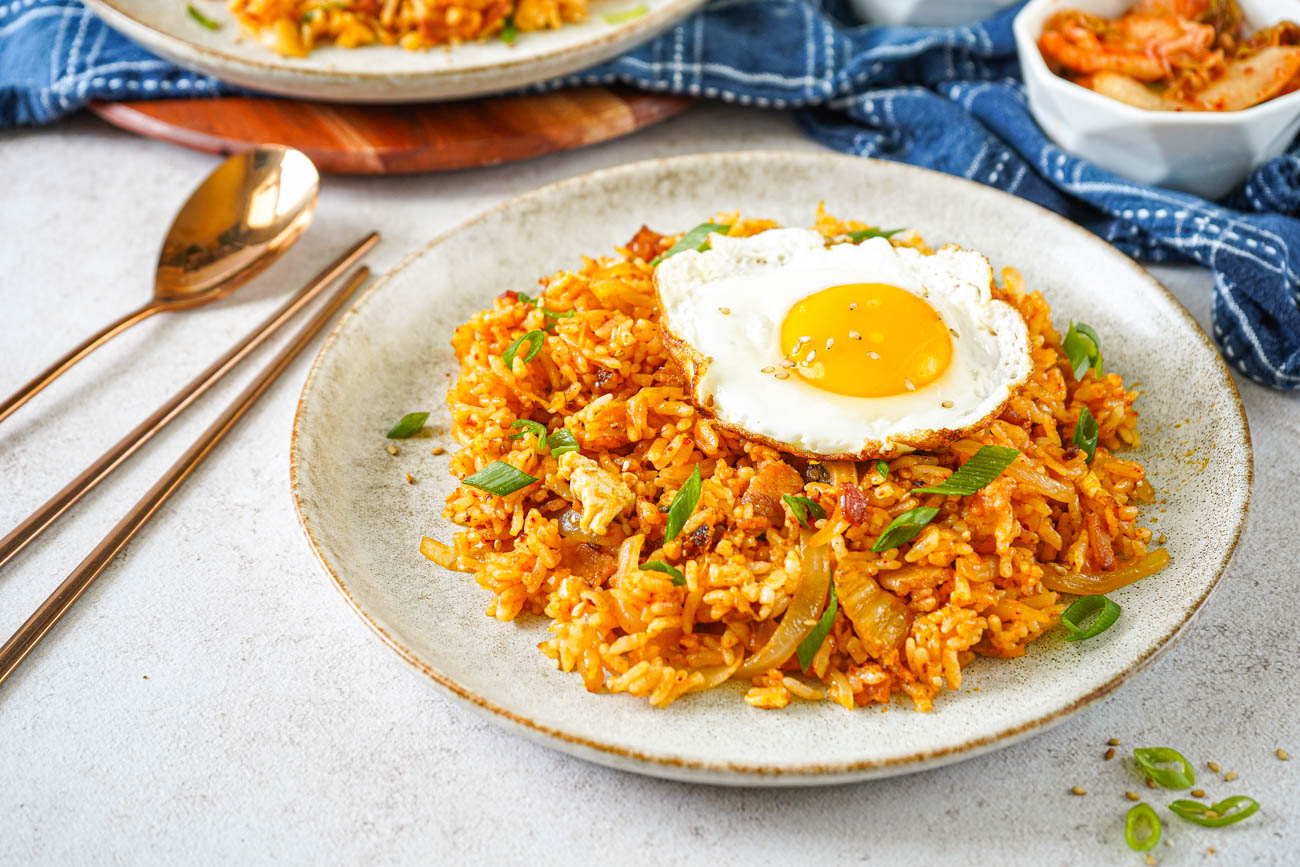
At its core, kimchi bokkeumbap is a simple dish made by stir-frying cooked rice with kimchi, vegetables, and often some form of protein such as pork, beef, or tofu. The star ingredient, kimchi, is a traditional Korean fermented vegetable dish, typically made with napa cabbage and seasoned with chili pepper, garlic, ginger, and other spices. Its tangy and spicy flavor serves as the foundation for this dish, infusing the rice with a distinct taste that is both robust and invigorating.

The process of making kimchi bokkeumbap is straightforward. Leftover rice is ideal for this dish, as its slightly dry texture helps it absorb the flavors of the kimchi and other ingredients. The rice is stir-fried in a hot pan with oil, along with diced kimchi, gochujang (Korean chili paste), and any additional vegetables or proteins. The result is a deliciously aromatic dish that is both flavorful and comforting.

A Versatile Dish

One of the great appeals of kimchi bokkeumbap is its versatility. It can be easily customized to suit individual preferences or to make use of whatever ingredients are on hand. Common additions include chopped onions, carrots, and green onions for added texture and flavor. For those who enjoy a bit of heat, extra gochujang or sliced chili peppers can be added to amp up the spice level.

A popular variation includes topping the fried rice with a fried egg, which adds richness and creaminess to the dish. The runny yolk, when mixed with the rice, creates a delightful harmony of flavors and textures.

A Cultural Experience

Kimchi bokkeumbap is more than just a meal; it’s a representation of Korean culinary culture. Its origins as a humble, home-cooked dish reflect the resourcefulness and creativity of Korean cuisine, making the most of available ingredients and transforming them into something delicious.

This dish is often enjoyed in a casual setting, shared among family and friends. Its comforting nature makes it a go-to option for many, whether as a quick meal on a busy day or as a satisfying comfort food.

Conclusion

Kimchi bokkeumbap is a celebration of flavors, offering a taste of Korea’s rich culinary heritage in every bite. Its combination of spicy, tangy kimchi with savory fried rice creates a dish that is both simple and deeply satisfying. Whether you’re a fan of Korean cuisine or new to its delights, kimchi bokkeumbap is a dish that invites you to explore and savor the unique flavors of Korea.

Sweet Indulgence of Es Cendol: Refreshing Iced Dessert

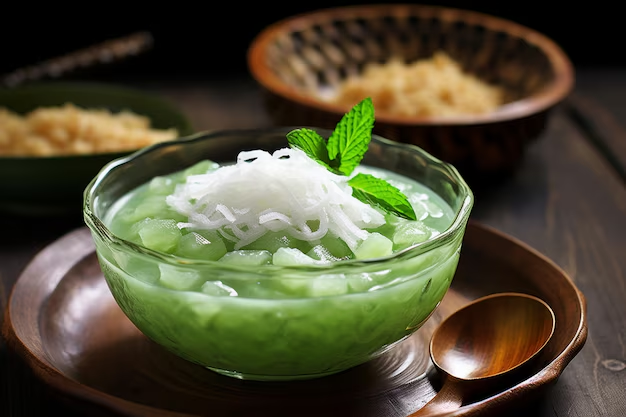
preahvihearhotel.com – Es Cendol is a beloved Indonesian iced dessert that offers a delightful respite from the tropical heat. Known for its vibrant colors and sweet, refreshing taste, es cendol is a favorite treat among locals and visitors alike. This article explores the origins, ingredients, preparation, and cultural significance of this iconic dessert.

The Origins of Es Cendol

The history of es cendol can be traced back to Southeast Asia, with variations of this dessert found in countries like Indonesia, Malaysia, and Thailand. In Indonesia, es cendol is particularly popular in Java and Sumatra, where it is often enjoyed as a street food delight. The dessert’s name “cendol” is believed to have originated from the Javanese word “jendol,” referring to the sensation of the jelly-like pieces when they pass through the straw.

Ingredients and Components

Es cendol is a harmonious blend of textures and flavors, made from a few key ingredients:

  1. Cendol: The star of the dish, cendol are green, jelly-like strands made from rice flour and colored with pandan leaf extract. These strands have a chewy texture and a subtle pandan aroma.
  2. Coconut Milk: Rich and creamy, coconut milk is poured over the cendol, adding depth and a tropical flavor to the dessert.
  3. Palm Sugar Syrup: A sweet syrup made from palm sugar is drizzled over the top, providing a rich, caramel-like sweetness that complements the other ingredients.
  4. Shaved Ice: A generous serving of shaved ice is added to keep the dessert cool and refreshing.
  5. Additional Toppings: Some variations of es cendol include toppings like red beans, jackfruit, or sweet corn, enhancing the flavor and texture profile.

Preparing Es Cendol

Making es cendol at home is a fun and rewarding experience. Here’s a simple guide to creating this refreshing dessert:

  1. Making the Cendol: Mix rice flour with pandan leaf extract and water, then cook until the mixture thickens. Pour the mixture through a cendol mold or a sieve into a bowl of cold water to form the strands.
  2. Preparing the Syrup: Melt palm sugar with a little water until it forms a thick syrup. Allow it to cool.
  3. Assembling the Dessert: In a glass, layer the cendol strands, shaved ice, and coconut milk. Drizzle the palm sugar syrup over the top.
  4. Serving: Serve immediately, allowing the flavors to meld as the ice melts, creating a refreshing and sweet treat.

Cultural Significance

Es cendol is more than just a dessert; it is a reflection of Indonesian culture and hospitality. It’s often enjoyed during festive occasions and family gatherings, symbolizing the joy and togetherness of shared moments. Street vendors selling es cendol are a common sight in bustling markets, offering a quick and satisfying treat for anyone in need of a sweet escape.

Conclusion

Es cendol is a testament to the creativity and diversity of Indonesian cuisine. Its combination of flavors and textures provides a unique and refreshing experience that captures the essence of tropical indulgence. Whether enjoyed on a hot afternoon or as a dessert to conclude a meal, es cendol remains a cherished part of Indonesia’s culinary heritage, inviting everyone to savor the sweetness of life.

Exploring the Vibrant World of Chinese Street Food

preahvihearhotel.com – The streets of China are alive with the tantalizing aromas and vibrant flavors of its street food culture. From bustling metropolises like Beijing and Shanghai to the ancient alleys of Xi’an and the serene canals of Hangzhou, street food is an integral part of Chinese culinary heritage. This article delves into the world of Chinese street food, highlighting its diversity, popularity, and the unique experiences it offers to both locals and tourists.

The Essence of Chinese Street Food

Chinese street food is more than just a quick snack; it’s a cultural experience that reflects the country’s regional diversity and historical influences. Each province has its own specialties, often passed down through generations. The food is typically cooked in front of customers, using fresh ingredients and traditional cooking methods such as stir-frying, steaming, and deep-frying.

Must-Try Chinese Street Food Dishes

  1. Jianbing – A savory crepe filled with egg, crispy fried dough, and various condiments, often served as a breakfast item.
  2. Xiaolongbao – Delicate soup dumplings that originated in Shanghai, filled with a mixture of pork and broth.
  3. Chuanr – Skewered meats, including lamb, beef, and chicken, seasoned with spices and grilled to perfection.
  4. Stinky Tofu – Fermented tofu with a strong odor but a surprisingly delicious taste, usually deep-fried or stewed.
  5. Roujiamo – A Chinese hamburger from Xi’an, consisting of slow-cooked pork belly or beef sandwiched in a crispy bun.

The Social Aspect of Street Food in China

Street food in China is not just about the food itself; it’s also about the social interactions and communal dining experience. Vendors often set up their stalls in lively markets or along busy streets, creating a festive atmosphere where people gather to eat, chat, and enjoy the bustling environment.

The Future of Chinese Street Food

As China continues to modernize, the future of street food is a topic of discussion. While some worry about the loss of traditional street food culture due to urban development and hygiene regulations, others see opportunities for innovation and preservation. Food trucks and modern street food markets are emerging, offering a blend of tradition and contemporary dining experiences.

Conclusion

Chinese street food is a testament to the country’s rich culinary traditions and regional diversity. It offers a unique window into Chinese culture, history, and social life. Whether you’re a food enthusiast or a curious traveler, exploring the world of Chinese street food is an adventure that promises to delight your senses and enrich your understanding of this ancient civilization’s gastronomic heritage.

A Gastronomic Adventure Awaits: Molokai Midday Munch

preahvihearhotel.com – Nestled in the serene island of Molokai, Hawaii, Molokai Midday Munch is a hidden gem that offers a delightful culinary experience amidst the island’s natural beauty. This quaint eatery is the perfect spot for travelers and locals alike to savor the flavors of Molokai while enjoying the laid-back island vibe.

A Taste of Molokai

Molokai Midday Munch prides itself on its menu, which features a delightful array of dishes that highlight the island’s rich culinary heritage. From fresh seafood caught daily by local fishermen to organic produce sourced from nearby farms, every ingredient is carefully selected to ensure the highest quality and authenticity.

Signature Dishes

One of the standout dishes at Molokai Midday Munch is the Molokai Fish Tacos, made with locally caught fish, freshly made tortillas, and a secret sauce that adds a zesty kick. Another favorite is the Tropical Fruit Salad, a refreshing mix of island fruits that captures the essence of Molokai’s lush landscapes.

The Art of Plating

The presentation of the food at Molokai Midday Munch is as important as the taste. The chefs take great care in plating each dish, ensuring that it not only tantalizes the taste buds but also delights the eyes. The use of vibrant colors and creative arrangements makes every meal an Instagram-worthy masterpiece.

A Cozy Ambiance

The ambiance at Molokai Midday Munch is as inviting as its food. The eatery is designed to reflect the island’s laid-back lifestyle, with a cozy interior that features local art and a breezy outdoor seating area that offers stunning views of the surrounding scenery.

Commitment to Sustainability

Molokai Midday Munch is dedicated to sustainability, both in its sourcing of ingredients and its operations. The restaurant supports local farmers and fishermen by purchasing their products, thereby promoting the island’s economy and reducing its carbon footprint. Additionally, the restaurant uses eco-friendly materials and practices to minimize waste and preserve Molokai’s natural beauty.

Conclusion

Molokai Midday Munch is more than just a place to grab a bite; it’s an immersive experience that allows visitors to connect with the island’s culture and environment. With its delicious food, beautiful presentation, and commitment to sustainability, Molokai Midday Munch is a must-visit destination for anyone looking to explore the gastronomic delights of Molokai.

Simple and Tasty Ways to Eat More Vegetables: Veggie Delights

preahvihearhotel.com – In a world where fast food and processed meals often take precedence, the importance of incorporating more vegetables into our diets cannot be overstated. Vegetables are not only packed with essential vitamins and minerals but also offer a variety of flavors and textures that can make meals more enjoyable. However, many people struggle with finding simple and tasty ways to include more veggies in their diet. This article aims to provide you with some delightful and easy methods to boost your vegetable intake, making it both fun and flavorful.

1. Start Your Day with a Veggie Boost

Why not kickstart your day with a vegetable-rich breakfast? Smoothies are an excellent way to sneak in some greens. Blend spinach or kale with fruits like bananas and berries for a nutritious start. Another option is to add sautéed mushrooms, tomatoes, or spinach to your morning eggs or omelette. These simple additions can significantly increase your vegetable intake right from the beginning of the day.

2. Salads Beyond Lettuce

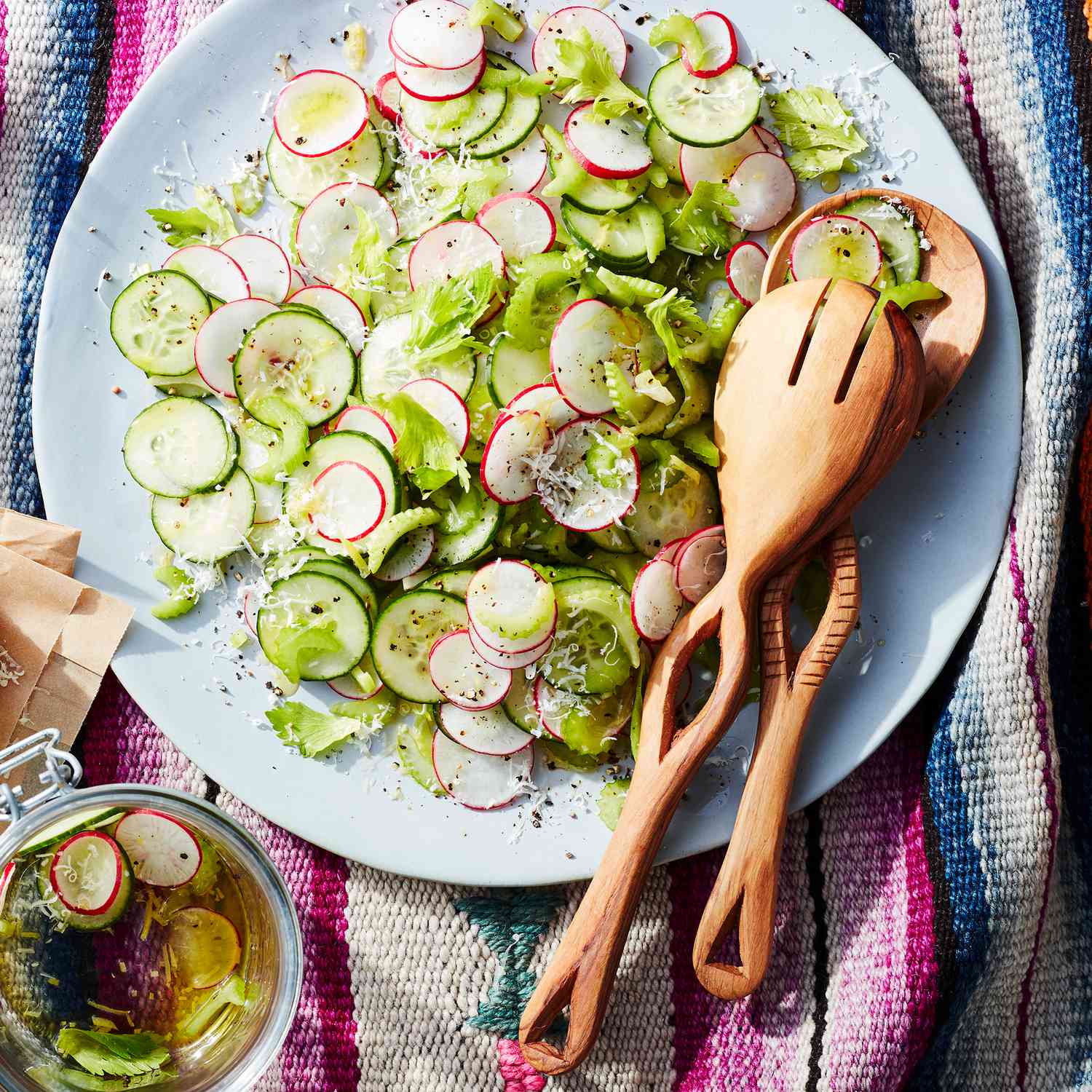
Salads don’t have to be boring. Explore a variety of leafy greens such as arugula, watercress, and mixed baby greens. Add color and texture with a mix of vegetables like bell peppers, cucumbers, radishes, and shredded carrots. Top it with some nuts, seeds, or lean protein for a satisfying meal. Experiment with different dressings to keep things interesting. A simple vinaigrette or a sprinkle of lemon juice can elevate your salad to a whole new level.

3. Soups and Stews

Soups and stews are comforting, especially during colder months, and they offer a fantastic way to incorporate a variety of vegetables. Whether you’re making a classic minestrone, a hearty vegetable soup, or a meaty stew, adding a mix of vegetables can enhance both the nutritional value and the flavor. Root vegetables like carrots, potatoes, and sweet potatoes are particularly good in soups and stews, adding a natural sweetness and creaminess.

4. Veggie Snacks

Snacking on vegetables can be both healthy and delicious. Prepare a platter of sliced cucumbers, bell peppers, carrots, and cherry tomatoes. Pair them with a homemade dip like hummus, guacamole, or tzatziki for a tasty snack that’s also nutritious. These snacks are not only satisfying but also help you meet your daily vegetable intake goals.

5. Stir-Fry Magic

Stir-frying is a quick and easy way to cook a variety of vegetables, retaining their nutrients and flavors. Choose a mix of your favorite vegetables—broccoli, snap peas, bell peppers, and mushrooms are great options. Stir-fry them with a little garlic, ginger, and your choice of protein. Serve over rice or noodles, and don’t forget to add a sauce that complements the flavors. This method not only makes vegetables more appealing but also ensures you get a wide range of nutrients in one meal.

6. Roasted Vegetable Medley

Roasting vegetables brings out their natural sweetness and can turn even the simplest vegetables into a delightful side dish. Toss your choice of vegetables—such as Brussels sprouts, sweet potatoes, beets, and carrots—with olive oil, salt, and pepper. Roast them in the oven until tender and slightly caramelized. This method is versatile and can be adapted to suit any taste, making it an easy way to enjoy more vegetables.

Conclusion

Eating more vegetables doesn’t have to be a chore. With a little creativity and these simple tips, you can transform ordinary vegetables into delicious and nutritious meals. By incorporating a variety of vegetables into your diet, you’ll not only enjoy a range of flavors and textures but also reap the health benefits that come with a plant-rich diet. So, why not start today and explore the wonderful world of veggie delights?