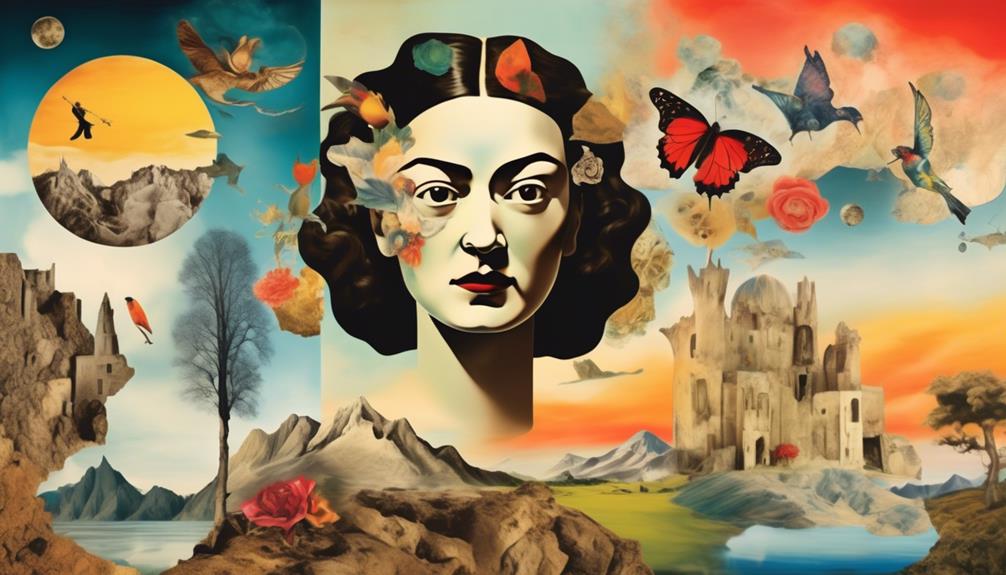
Exploring Mount Tai: A Sacred Peak in Chinese Culture

preahvihearhotel.com – Mount Tai, known as Tai Shan in Chinese, is one of the most revered mountains in China and holds deep cultural, historical, and spiritual significance. Located in Shandong Province, this majestic peak is part of the Five Great Mountains of China, which have been worshipped since ancient times. With its breathtaking landscapes and rich heritage, Mount Tai attracts pilgrims, tourists, and nature enthusiasts from around the world.

Historical Significance

Mount Tai has been a place of worship for over 3,000 years, with emperors of various dynasties making the pilgrimage to offer sacrifices to heaven and earth. It was believed to be the abode of the gods and a meeting point between the earthly and the divine. Many Chinese emperors performed ceremonial rites on Mount Tai to legitimize their rule and seek blessings for their reign.

The mountain is home to numerous historical and cultural relics, including ancient temples, stone inscriptions, and tablets. These artifacts provide a window into the spiritual practices and artistic achievements of past civilizations. The Temple of the God of Mount Tai and the Azure Cloud Temple are among the most significant religious sites on the mountain.

Cultural and Spiritual Importance

Mount Tai is often associated with sunrise, renewal, and rebirth, symbolizing the beginning of a new life. It has inspired poets, artists, and philosophers throughout Chinese history, becoming a central theme in Chinese literature and art. The mountain’s spiritual aura and natural beauty have made it a popular subject for traditional Chinese landscape paintings and poetry.

The Confucian philosopher Confucius is said to have visited Mount Tai, and his teachings have further enhanced the mountain’s cultural importance. The idea of ascending Mount Tai to gain a broader perspective on life has become a metaphor in Chinese thought.

Natural Beauty and Scenic Spots

Mount Tai offers stunning natural landscapes, with its highest peak, Jade Emperor Peak, reaching 1,545 meters (5,069 feet) above sea level. The mountain is renowned for its majestic sunrise views, lush forests, and diverse flora and fauna. The scenic area is dotted with ancient pines, stone paths, and waterfalls, creating a serene environment for visitors.

Popular hiking routes, such as the Red Gate Path, lead to the summit, offering breathtaking views and a chance to experience the mountain’s spiritual ambiance. The climb is often seen as a symbolic journey of perseverance and enlightenment, with many visitors choosing to ascend the mountain at night to witness the sunrise from the top.

Modern-Day Pilgrimage and Tourism

Today, Mount Tai is a UNESCO World Heritage Site and a popular tourist destination, attracting millions of visitors each year. It remains a site of pilgrimage for those seeking spiritual fulfillment and a deeper connection to Chinese heritage. The mountain’s rich history and cultural significance continue to draw people from all walks of life, eager to experience its timeless allure.

Conclusion

Mount Tai stands as a testament to the enduring spiritual and cultural traditions of China. Its majestic peaks and ancient relics offer a unique glimpse into the country’s past, while its natural beauty provides inspiration and tranquility. Whether you are a pilgrim, a history enthusiast, or a nature lover, a visit to Mount Tai promises an unforgettable journey through one of China’s most sacred landscapes.

Exploring Duque de Caxias: A City of Industry and Culture

preahvihearhotel.com – Duque de Caxias is a prominent city located in the state of Rio de Janeiro, Brazil. Known for its industrial prowess and cultural vibrancy, this city plays a vital role in the economic landscape of the region while offering a rich tapestry of cultural experiences.

Historical Background

Early Settlement

Duque de Caxias originally began as a small settlement during the colonial period. It gradually grew in importance due to its strategic location near the city of Rio de Janeiro and its connection to major transportation routes.

Growth and Industrialization

Incorporated as a city in 1943, Duque de Caxias experienced rapid industrial growth in the mid-20th century. Its development was driven by the establishment of numerous factories and industries, particularly in the petrochemical and manufacturing sectors.

Economic Hub

Industrial Significance

Duque de Caxias is one of the most industrialized cities in Brazil, home to a significant portion of the country’s petrochemical industry. The city hosts a major refinery of Petrobras, Brazil’s state-controlled oil company, which serves as a cornerstone of its economy.

Commercial Activity

Beyond its industrial base, Duque de Caxias boasts a thriving commercial sector. The city’s retail and service industries cater to both local residents and neighboring areas, contributing to its economic vitality.

Cultural Landscape

Museums and Heritage

The city offers several cultural attractions, including the Museu Ciência e Vida, which focuses on science and education. Additionally, the local cultural scene is enriched by various community events and traditions that reflect the diverse heritage of its population.

Festivals and Events

Duque de Caxias hosts a variety of festivals and cultural events throughout the year, celebrating everything from local cuisine to music and arts. These events provide opportunities for both residents and visitors to engage with the city’s vibrant community spirit.

Urban and Natural Attractions

Parks and Recreation

Although an industrial hub, Duque de Caxias is also committed to preserving green spaces. Parks such as Parque Equitativa offer areas for recreation and leisure, providing a refreshing escape from urban life.

Architectural Highlights

The city features a mix of architectural styles, with historical buildings standing alongside modern developments. This blend reflects the city’s evolution and growth over the decades.

Challenges and Opportunities

Urban Development

As Duque de Caxias continues to grow, it faces challenges related to urban development and infrastructure. Efforts are underway to improve public transportation and housing, aiming to enhance the quality of life for its residents.

Economic Diversification

While industry remains a key driver of the local economy, there are opportunities for diversification into sectors such as technology and services, which could provide new avenues for growth and employment.

Conclusion

Duque de Caxias is a city that combines industrial strength with cultural richness, offering a unique environment where history and modernity coexist. Whether exploring its industrial landscape or participating in its cultural festivities, Duque de Caxias presents a dynamic and engaging experience for all who visit.

Exploring the Vibrant World of Chinese Street Food

preahvihearhotel.com – The streets of China are alive with the tantalizing aromas and vibrant flavors of its street food culture. From bustling metropolises like Beijing and Shanghai to the ancient alleys of Xi’an and the serene canals of Hangzhou, street food is an integral part of Chinese culinary heritage. This article delves into the world of Chinese street food, highlighting its diversity, popularity, and the unique experiences it offers to both locals and tourists.

The Essence of Chinese Street Food

Chinese street food is more than just a quick snack; it’s a cultural experience that reflects the country’s regional diversity and historical influences. Each province has its own specialties, often passed down through generations. The food is typically cooked in front of customers, using fresh ingredients and traditional cooking methods such as stir-frying, steaming, and deep-frying.

Must-Try Chinese Street Food Dishes

  1. Jianbing – A savory crepe filled with egg, crispy fried dough, and various condiments, often served as a breakfast item.
  2. Xiaolongbao – Delicate soup dumplings that originated in Shanghai, filled with a mixture of pork and broth.
  3. Chuanr – Skewered meats, including lamb, beef, and chicken, seasoned with spices and grilled to perfection.
  4. Stinky Tofu – Fermented tofu with a strong odor but a surprisingly delicious taste, usually deep-fried or stewed.
  5. Roujiamo – A Chinese hamburger from Xi’an, consisting of slow-cooked pork belly or beef sandwiched in a crispy bun.

The Social Aspect of Street Food in China

Street food in China is not just about the food itself; it’s also about the social interactions and communal dining experience. Vendors often set up their stalls in lively markets or along busy streets, creating a festive atmosphere where people gather to eat, chat, and enjoy the bustling environment.

The Future of Chinese Street Food

As China continues to modernize, the future of street food is a topic of discussion. While some worry about the loss of traditional street food culture due to urban development and hygiene regulations, others see opportunities for innovation and preservation. Food trucks and modern street food markets are emerging, offering a blend of tradition and contemporary dining experiences.

Conclusion

Chinese street food is a testament to the country’s rich culinary traditions and regional diversity. It offers a unique window into Chinese culture, history, and social life. Whether you’re a food enthusiast or a curious traveler, exploring the world of Chinese street food is an adventure that promises to delight your senses and enrich your understanding of this ancient civilization’s gastronomic heritage.

Exploring the World’s Most Influential Painters: Canvas of Dreams

preahvihearhotel.com – Throughout history, the art of painting has been a powerful medium for expression, capable of evoking emotions, telling stories, and challenging societal norms. Some painters have risen above the rest, not only for their technical skill but for their ability to influence and shape the world of art and beyond. This article delves into the lives and legacies of some of the world’s most influential painters, whose works have become canvases of dreams, inspiring generations and transcending time.

Leonardo da Vinci: The Renaissance Genius
Leonardo da Vinci is the quintessential Renaissance man, known for his unparalleled genius in art, science, and engineering. His paintings, such as the Mona Lisa and The Last Supper, are among the most famous and influential in the world. Da Vinci’s mastery of anatomy, light, and shadow, combined with his innovative use of sfumato, set a standard for realism and beauty that artists continue to aspire to.

Vincent van Gogh: The Tormented Visionary
Vincent van Gogh’s life was marked by struggle and mental illness, yet his work is a testament to the power of art to transform pain into beauty. His innovative use of color, bold brushstrokes, and emotional depth in works like Starry Night and Sunflowers have made him one of the most beloved and influential painters. Van Gogh’s art reflects his deep connection to nature and the human condition, resonating with audiences across the globe.

Pablo Picasso: The Master of Modern Art
Pablo Picasso was a pioneer of modern art, co-founding the Cubist movement and revolutionizing the way we perceive and depict reality. His work spanned a variety of styles, from the blue and rose periods to his abstract works, including the iconic Guernica, which stands as a powerful anti-war statement. Picasso’s influence on 20th-century art is immeasurable, as he pushed the boundaries of what painting could be and say.

Claude Monet: The Father of Impressionism
Claude Monet is the founder of Impressionism, a movement that focused on capturing the fleeting effects of light and color. His series of paintings, including Water Lilies and Haystacks, demonstrate his dedication to observing and recording the natural world. Monet’s work challenged traditional painting techniques and subjects, inspiring a new generation of artists to explore the world through a fresh lens.

Frida Kahlo: The Painter of Identity
Frida Kahlo’s art is a deeply personal exploration of identity, pain, and resilience. Her vibrant self-portraits and surrealist works reflect her experiences as a Mexican woman, her political convictions, and her battles with physical pain. Kahlo’s influence extends beyond the art world, inspiring discussions on gender, race, and cultural identity.

Conclusion:
The world’s most influential painters have left an indelible mark on the canvas of history. From Leonardo da Vinci’s timeless beauty to Van Gogh’s emotional landscapes, from Picasso’s groundbreaking innovations to Monet’s impressionist revolutions, and from Kahlo’s powerful self-expression, these artists have not only shaped the art world but have also touched the human spirit. Their works continue to inspire, challenge, and provoke thought, proving that the dream of creating a lasting impact is very much within reach through the transformative power of paint and canvas.