Duzdag: Permata Terapi Pernapasan di Perut Tambang Garam Nakhchivan

preahvihearhotel.com – Tempat terapi Duzdag, sebuah tambang garam kuno yang terletak di kota Nakhchivan, Azerbaijan, kini menarik perhatian sebagai destinasi kesehatan unik di tepi Asia. Pemerintah setempat mengubah tambang ini menjadi pusat terapi alami dengan memanfaatkan kondisi mikroklimat dan kandungan mineral yang tinggi dalam dinding-dinding garamnya. Oleh karena itu, Duzdag berdiri sebagai bukti inovasi yang menggabungkan warisan sejarah dengan kebutuhan kesehatan modern.

Udara Garam untuk Terapi Pernapasan

Setiap hari, pengunjung dari berbagai negara memasuki gua-gua tambang ini untuk mendapatkan terapi salin. Mereka menghirup udara murni yang kaya akan partikel garam, yang diyakini mampu meredakan gangguan pernapasan seperti asma, bronkitis, dan alergi. Selain itu, dokter di pusat tersebut merancang sesi terapi berdasarkan kebutuhan medis masing-masing pasien. Dalam waktu dua minggu terapi, banyak pasien melaporkan peningkatan signifikan dalam kualitas napas dan tidur mereka.

Fasilitas Modern di Dalam Perut Bumi

Pengelola tambang membangun fasilitas lengkap di dalam gua, termasuk kamar tidur, ruang terapi, klinik medis, hingga tempat bermain anak. Menariknya, semua fasilitas ini terletak sekitar 300 meter di bawah permukaan tanah. Arsitek lokal pun mendesain bangunan-bangunan tersebut dengan mempertimbangkan kondisi lingkungan agar tetap aman dan nyaman bagi para pasien serta wisatawan.

Tujuan Wisata Baru yang Ramah Kesehatan

Duzdag bukan hanya tempat terapi, tetapi juga berkembang menjadi destinasi wisata alternatif. Keluarga dan wisatawan yang mencari pengalaman unik mulai memilih Duzdag sebagai tempat berlibur. Mereka pun mengikuti tur edukatif yang menjelaskan proses terbentuknya garam ribuan tahun lalu dan sejarah tambang yang telah digunakan sejak era Kekaisaran Persia. Setelah menjalani terapi, pengunjung dapat menikmati pemandangan alam khas Nakhchivan yang tenang dan memukau.

Komitmen Pemerintah pada Pariwisata Medis

Sementara itu, pemerintah Azerbaijan terus mempromosikan Duzdag sebagai bagian dari strategi pariwisata medis nasional. Mereka bekerja sama dengan sektor swasta untuk meningkatkan kualitas layanan dan memperluas kapasitas penginapan. Tak heran, setiap tahun, ribuan pasien dari Rusia, Turki, Iran, dan negara-negara Asia Tengah memanfaatkan fasilitas ini sebagai alternatif perawatan konvensional. Keberhasilan Duzdag bahkan menginspirasi negara lain untuk mengembangkan potensi serupa dari sumber daya alam mereka.

Harapan Baru dari Tambang Tua

Secara keseluruhan, Duzdag membuktikan bahwa warisan tambang tua tidak selalu menjadi beban sejarah bonus new member 100. Sebaliknya, tempat ini justru menghadirkan harapan baru bagi ribuan orang yang mencari kesembuhan. Dengan demikian, menggabungkan unsur alam, teknologi, dan pelayanan kesehatan, Duzdag menjelma menjadi spa bawah tanah yang penuh manfaat. Setiap hembusan udara garam di dalamnya membawa pesan bahwa penyembuhan bisa datang dari tempat yang tak terduga.


 

Bolívar: A Land of Natural Beauty and Cultural Richness

preahvihearhotel.com – Bolívar, a province nestled in the heart of Ecuador’s Andean highlands, is a captivating destination that offers a unique blend of natural wonders, cultural heritage, and historical significance. With its stunning mountain landscapes, charming colonial towns, and vibrant indigenous communities, Bolívar invites travelers to explore its diverse offerings.

Guaranda: The Heart of Bolívar

Guaranda, the provincial capital, is a picturesque city steeped in history and colonial charm. Its well-preserved historic center, with its cobblestone streets, colorful buildings, and majestic churches, transports visitors back in time. The city’s central square, Plaza Central, is a popular gathering place, surrounded by colonial-era buildings and bustling markets.   

Natural Wonders and Outdoor Adventures

Bolívar is a paradise for nature lovers and outdoor enthusiasts. The province is home to several national parks and protected areas, offering opportunities for hiking, camping, birdwatching, and other outdoor activities.

  • Chimborazo National Park: This park boasts the Chimborazo volcano, the highest peak in Ecuador. While climbing to the summit is a challenging endeavor for experienced mountaineers, visitors can enjoy stunning views of the surrounding Andean landscape from lower elevations.   
  • Sangay National Park: A UNESCO World Heritage Site, Sangay National Park is a diverse ecosystem that encompasses active volcanoes, glaciers, cloud forests, and Amazonian lowlands. It’s a haven for wildlife, including bears, tapirs, and numerous bird species.   

Indigenous Culture and Traditions

Bolívar is home to several indigenous communities, including the Puruhá and Salasaca. These communities have preserved their unique cultural traditions, including traditional clothing, music, dance, and handicrafts. Visitors can experience the rich cultural heritage of these communities by attending local festivals, visiting traditional markets, or participating in cultural tours.

Gastronomic Delights

Bolívar’s cuisine reflects the region’s diverse cultural influences, with dishes that incorporate Andean and Spanish flavors. Local specialties include cuy asado (roasted guinea pig), fritada (fried pork), and mote pillo (hominy with cheese and onions). The province is also known for its delicious fruit and vegetables, which are grown in the fertile valleys and highlands.

A Journey Through Time

Bolívar’s history is intertwined with the history of Ecuador. The province played a crucial role in the country’s independence movement, and several historical sites and monuments commemorate this era. Visitors can explore colonial-era churches, ancient Inca ruins, and battle sites to gain a deeper understanding of the region’s past.

Bolívar, with its stunning landscapes, rich cultural heritage, and warm hospitality, offers a truly unforgettable experience for travelers seeking adventure, culture, and natural beauty. Whether you’re exploring the Andean peaks, immersing yourself in indigenous traditions, or simply relaxing in a charming colonial town, Bolívar is a destination that will leave a lasting impression.

Brittany: A Celtic Corner of France – A Land of Legends & Beauty

preahvihearhotel.com – Brittany, a region in northwestern France, is a captivating blend of Celtic heritage, stunning coastline, and rich cultural traditions. With its dramatic cliffs, picturesque villages, and historic towns, Brittany offers visitors a unique and unforgettable experience.

A Celtic Heritage

Brittany’s Celtic heritage is evident in its language, culture, and traditions. Breton, a Celtic language, is still spoken by a significant number of people in the region. The region’s folklore is filled with myths and legends, including tales of fairies, giants, and druids.

Coastal Wonders

Brittany’s coastline is one of its most striking features, with dramatic cliffs, sandy beaches, and charming fishing villages.

  • Côte d’Armor: This rugged coastline is characterized by its pink granite cliffs and picturesque towns like Saint-Malo and Dinan.
  • Finistère: The westernmost department of France, Finistère offers stunning landscapes, including the Pointe du Raz, one of the most dramatic promontories in Europe.
  • Morbihan: Known for its megalithic sites, such as Carnac, and its islands, including Belle-Île-en-Mer and Île de Groix.

Historic Towns and Cities

  • Saint-Malo: A walled city with a rich maritime history, Saint-Malo is a popular tourist destination.
  • Dinan: A medieval town with a well-preserved historic center, Dinan is famous for its half-timbered houses and winding streets.
  • Rennes: The capital of Brittany, Rennes is a vibrant city with a lively cultural scene.

Gastronomic Delights

Brittany’s cuisine is influenced by its coastal location and Celtic heritage. Some of the region’s most famous dishes include:

  • Crêpes: Thin pancakes that can be sweet or savory.
  • Galettes: Buckwheat pancakes, often topped with cheese, ham, or eggs.
  • Kouign-amann: A buttery, flaky pastry.
  • Seafood: Fresh seafood, such as oysters, mussels, and lobster, is a staple of Breton cuisine.

A Year-Round Destination

Brittany is a year-round destination, offering something for everyone. In the summer, visitors can enjoy the region’s beaches and outdoor activities. In the winter, the region transforms into a cozy haven, with Christmas markets and festive celebrations.

Exploring Mount Tai: A Sacred Peak in Chinese Culture

preahvihearhotel.com – Mount Tai, known as Tai Shan in Chinese, is one of the most revered mountains in China and holds deep cultural, historical, and spiritual significance. Located in Shandong Province, this majestic peak is part of the Five Great Mountains of China, which have been worshipped since ancient times. With its breathtaking landscapes and rich heritage, Mount Tai attracts pilgrims, tourists, and nature enthusiasts from around the world.

Historical Significance

Mount Tai has been a place of worship for over 3,000 years, with emperors of various dynasties making the pilgrimage to offer sacrifices to heaven and earth. It was believed to be the abode of the gods and a meeting point between the earthly and the divine. Many Chinese emperors performed ceremonial rites on Mount Tai to legitimize their rule and seek blessings for their reign.

The mountain is home to numerous historical and cultural relics, including ancient temples, stone inscriptions, and tablets. These artifacts provide a window into the spiritual practices and artistic achievements of past civilizations. The Temple of the God of Mount Tai and the Azure Cloud Temple are among the most significant religious sites on the mountain.

Cultural and Spiritual Importance

Mount Tai is often associated with sunrise, renewal, and rebirth, symbolizing the beginning of a new life. It has inspired poets, artists, and philosophers throughout Chinese history, becoming a central theme in Chinese literature and art. The mountain’s spiritual aura and natural beauty have made it a popular subject for traditional Chinese landscape paintings and poetry.

The Confucian philosopher Confucius is said to have visited Mount Tai, and his teachings have further enhanced the mountain’s cultural importance. The idea of ascending Mount Tai to gain a broader perspective on life has become a metaphor in Chinese thought.

Natural Beauty and Scenic Spots

Mount Tai offers stunning natural landscapes, with its highest peak, Jade Emperor Peak, reaching 1,545 meters (5,069 feet) above sea level. The mountain is renowned for its majestic sunrise views, lush forests, and diverse flora and fauna. The scenic area is dotted with ancient pines, stone paths, and waterfalls, creating a serene environment for visitors.

Popular hiking routes, such as the Red Gate Path, lead to the summit, offering breathtaking views and a chance to experience the mountain’s spiritual ambiance. The climb is often seen as a symbolic journey of perseverance and enlightenment, with many visitors choosing to ascend the mountain at night to witness the sunrise from the top.

Modern-Day Pilgrimage and Tourism

Today, Mount Tai is a UNESCO World Heritage Site and a popular tourist destination, attracting millions of visitors each year. It remains a site of pilgrimage for those seeking spiritual fulfillment and a deeper connection to Chinese heritage. The mountain’s rich history and cultural significance continue to draw people from all walks of life, eager to experience its timeless allure.

Conclusion

Mount Tai stands as a testament to the enduring spiritual and cultural traditions of China. Its majestic peaks and ancient relics offer a unique glimpse into the country’s past, while its natural beauty provides inspiration and tranquility. Whether you are a pilgrim, a history enthusiast, or a nature lover, a visit to Mount Tai promises an unforgettable journey through one of China’s most sacred landscapes.

Urban Oasis: Chicago’s Green Spaces and Parks

preahvihearhotel.com – Chicago, often celebrated for its architectural marvels and bustling urban life, is also home to an array of beautiful green spaces and parks that offer residents and visitors a chance to connect with nature. These urban oases provide a serene escape from the city’s hustle and bustle, showcasing the harmonious blend of nature and urban development. Explore Chicago’s green gems and discover the tranquility and recreational opportunities they offer.

1. Millennium Park: The Heart of the City

Millennium Park is one of Chicago’s most iconic green spaces, situated in the heart of downtown. Known for its stunning architecture and public art installations, the park is home to the famous Cloud Gate sculpture, affectionately known as “The Bean.” Visitors can enjoy free concerts at the Jay Pritzker Pavilion, stroll through the picturesque Lurie Garden, or relax by the serene Crown Fountain. Millennium Park is a cultural hub that combines art, nature, and community in a vibrant urban setting.

2. Grant Park: Chicago’s Front Yard

Adjacent to Millennium Park, Grant Park is often referred to as “Chicago’s front yard.” This expansive park stretches over 300 acres and is home to some of the city’s most famous attractions, including the Art Institute of Chicago and Buckingham Fountain. Grant Park hosts numerous festivals and events throughout the year, such as the Taste of Chicago and Lollapalooza, making it a lively gathering place for locals and tourists alike. Its wide lawns and scenic lakefront views provide the perfect backdrop for picnics, leisurely walks, and outdoor activities.

3. Lincoln Park: Nature and Recreation

Lincoln Park, Chicago’s largest public park, offers a diverse array of recreational activities and natural beauty. Spanning over 1,200 acres along the Lake Michigan shoreline, the park features the Lincoln Park Zoo, one of the oldest free zoos in the country, and the Lincoln Park Conservatory, home to a vast collection of exotic plants. In addition to its cultural attractions, Lincoln Park boasts beautiful walking and biking trails, sports fields, and serene ponds, making it a haven for outdoor enthusiasts.

4. Jackson Park: A Historic Gem

Located on the city’s South Side, Jackson Park is a historic gem designed by renowned landscape architect Frederick Law Olmsted. The park was the site of the 1893 World’s Columbian Exposition and is now home to the beautiful Osaka Garden and the Museum of Science and Industry. Jackson Park’s lush landscapes, lagoons, and wooded areas provide a peaceful retreat for birdwatching, fishing, and leisurely strolls. The park’s storied past and natural beauty make it a cherished part of Chicago’s history and landscape.

5. The 606: An Elevated Trail Experience

The 606, also known as the Bloomingdale Trail, is a unique elevated greenway that repurposes a former railway line into a 2.7-mile-long trail. This innovative urban park connects several neighborhoods and offers a scenic route for walking, running, and biking. Lined with native plants and art installations, The 606 provides a refreshing way to explore the city from a different vantage point. It’s a testament to Chicago’s commitment to creating green spaces that enhance urban living.

Conclusion

Chicago’s green spaces and parks are vital to the city’s identity, offering residents and visitors a chance to experience nature amidst an urban landscape. From the cultural vibrancy of Millennium Park to the natural tranquility of Lincoln Park, these urban oases invite you to explore, relax, and enjoy the beauty of Chicago’s outdoor spaces. Whether you’re seeking recreation, inspiration, or simply a breath of fresh air, Chicago’s parks provide the perfect escape.

Pemberdayaan Komunitas Lokal di Kamboja: Membangun Masa Depan yang Berkelanjutan

preahvihearhotel – Dalam beberapa tahun terakhir, Kamboja telah mengalami perkembangan pesat dalam upaya pemberdayaan komunitas lokal. Berbagai program dan inisiatif telah diluncurkan untuk meningkatkan kesejahteraan masyarakat, mengurangi kemiskinan, dan mempromosikan keberlanjutan. Dengan dukungan dari pemerintah, lembaga swadaya masyarakat (LSM), dan sektor swasta, komunitas lokal di Kamboja semakin diberdayakan untuk mengelola sumber daya mereka sendiri dan berkontribusi pada pembangunan ekonomi.

Salah satu fokus utama dari pemberdayaan komunitas di Kamboja adalah pengembangan ekonomi lokal. Melalui pelatihan keterampilan dan akses ke modal, banyak komunitas telah berhasil membangun usaha kecil dan menengah (UKM) yang berkelanjutan. Misalnya, program pelatihan yang diselenggarakan oleh LSM lokal telah membantu petani belajar tentang praktik pertanian yang ramah lingkungan, meningkatkan hasil panen, dan memasarkan produk mereka secara langsung ke konsumen.

Pemerintah Kamboja telah meluncurkan berbagai kebijakan untuk mendukung pemberdayaan komunitas. Salah satunya adalah inisiatif “One Village, One Product” yang bertujuan untuk mempromosikan produk lokal. Program ini tidak hanya meningkatkan pendapatan petani tetapi juga memperkuat identitas budaya lokal. Selain itu, LSM seperti Habitat for Humanity dan World Vision telah bekerja sama dengan komunitas untuk membangun infrastruktur dasar, termasuk akses air bersih dan perumahan layak.

pemberdayaan-komunitas-lokal-di-kamboja-membangun-masa-depan-yang-berkelanjutan

Pendidikan juga menjadi kunci dalam pemberdayaan komunitas. Banyak program telah difokuskan pada peningkatan akses pendidikan, terutama untuk anak-anak di daerah pedesaan. Dengan meningkatkan tingkat pendidikan, komunitas diharapkan dapat membuat keputusan yang lebih baik dan lebih sadar akan hak-hak mereka. Selain itu, kampanye kesadaran masyarakat mengenai pentingnya keberlanjutan dan perlindungan lingkungan juga menjadi bagian integral dari inisiatif pemberdayaan ini.

Meskipun ada kemajuan, pemberdayaan komunitas lokal di slot kamboja masih menghadapi berbagai tantangan. Korupsi, kurangnya akses ke informasi, dan ketidakpastian ekonomi merupakan beberapa kendala yang harus diatasi. Selain itu, dampak perubahan iklim juga menjadi ancaman bagi keberlanjutan usaha lokal, terutama di sektor pertanian.

Dengan meningkatnya kesadaran akan pentingnya pemberdayaan komunitas, masa depan Kamboja terlihat lebih cerah. Kolaborasi antara pemerintah, LSM, dan sektor swasta diharapkan dapat terus meningkatkan kapasitas komunitas lokal untuk beradaptasi dengan tantangan yang ada. Melalui pemberdayaan yang berkelanjutan, Kamboja dapat mencapai pembangunan yang inklusif dan berkeadilan bagi semua warganya.

pemberdayaan-komunitas-lokal-di-kamboja-membangun-masa-depan-yang-berkelanjutan

Pemberdayaan komunitas lokal di Kamboja merupakan langkah penting menuju pembangunan yang berkelanjutan. Melalui inisiatif yang terintegrasi dan dukungan dari berbagai pihak, diharapkan masyarakat lokal dapat mengelola sumber daya mereka sendiri dan berkontribusi secara signifikan terhadap pertumbuhan ekonomi dan sosial negara. Dengan begitu, Kamboja tidak hanya akan menjadi negara yang makmur, tetapi juga negara yang menghargai dan memberdayakan warganya.

Rise and Fall of High Chancellor Voss: Corruption & Manipulation

preahvihearhotel.com – The story of High Chancellor Voss is a cautionary tale about the dangers of unchecked power and the corrosive effects of corruption. As a high-ranking bureaucrat, Voss was known for his sharp intellect and strategic acumen, but these traits were overshadowed by his insatiable appetite for personal gain and his willingness to bend the very laws he was meant to uphold.

The Early Career of High Chancellor Voss

Voss’s career in public service began with promise. He was a rising star, known for his dedication to the law and his ability to navigate complex legal landscapes. However, it wasn’t long before his ambitions outgrew his integrity. Voss began to see the law not as a framework for justice, but as a tool to be manipulated for his own ends.

Manipulating the System

Voss’s manipulation of the legal system was both subtle and sophisticated. He understood the intricacies of the law better than most, and he used this knowledge to create loopholes that only he could exploit. Contracts were rewritten, regulations were reinterpreted, and laws were circumvented, all to serve Voss’s growing empire of influence and wealth.

The Impact of Voss’s Corruption

The effects of Voss’s corruption were far-reaching. Public trust in the legal system was eroded as citizens became aware of the High Chancellor’s manipulations. Businesses that played by the rules found themselves at a disadvantage, while those who were willing to engage in illicit partnerships with Voss thrived. The very fabric of society was weakened by the pervasive influence of corruption.

The Downfall of High Chancellor Voss

As with many tales of corruption, the story of High Chancellor Voss does not have a happy ending. The relentless pursuit of power and wealth eventually led to his downfall. Investigations into his activities uncovered a web of deceit and illegal dealings that could no longer be ignored. Voss was stripped of his titles and faced legal consequences for his actions, serving as a reminder of the price of corruption.

Conclusion

The legacy of High Chancellor Voss is one of a brilliant mind gone astray. His story serves as a stark warning about the dangers of corruption and the importance of maintaining a vigilant guard against those who would manipulate the law for their own gain. It is a reminder that integrity and justice must be upheld, lest society crumbles under the weight of its own corruption.

Canada: A Diverse and Resource-Rich Nation

preahvihearhotel.com – Canada, the second-largest country in the world by land area, is a nation that boasts a rich tapestry of cultures, a wealth of natural resources, and a reputation for innovation and inclusivity. With its vast landscapes ranging from the rugged Rocky Mountains to the serene Great Lakes, Canada’s geography is as diverse as its people.

Geographical Diversity

Canada’s geography is characterized by its vast wilderness, with over half of its land untouched by human development. This natural expanse includes boreal forests, tundra, prairies, and a coastline that stretches for over 243,000 kilometers, providing access to three oceans: the Atlantic, Pacific, and Arctic. This geographical diversity not only contributes to Canada’s scenic beauty but also supports a wide range of ecosystems and wildlife.

Cultural Mosaic

Canada is often referred to as a “cultural mosaic,” a term that reflects its policy of multiculturalism. This policy encourages the preservation and celebration of cultural heritage, making Canada a melting pot of over 200 ethnic origins. From the vibrant festivals of Toronto to the French-speaking province of Quebec, Canada’s cultural diversity is evident in its languages, traditions, and cuisines. This multiculturalism is a source of national pride and strength, fostering a society that values inclusivity and tolerance.

Economic Powerhouse

Canada’s economy is one of the largest in the world, driven by its abundant natural resources, including oil, gas, minerals, and timber. The country is a leading exporter of these commodities, which play a crucial role in its economic stability. Additionally, Canada has a strong service sector, with finance, real estate, and healthcare contributing significantly to its GDP. The nation’s commitment to innovation is evident in its thriving technology and manufacturing industries, particularly in the automotive and aerospace sectors.

Environmental Stewardship

Despite its reliance on natural resources, Canada is also a leader in environmental stewardship. The government has implemented policies aimed at reducing greenhouse gas emissions and promoting sustainable development. Canada’s vast wilderness areas, national parks, and conservation efforts are testaments to its commitment to preserving its natural heritage for future generations.

Conclusion

Canada’s identity is shaped by its geographical diversity, cultural richness, economic strength, and environmental stewardship. As a nation, it continues to navigate the challenges of balancing economic growth with environmental protection and cultural preservation. Canada’s success in these endeavors makes it a model for other countries seeking to foster inclusivity, sustainability, and prosperity.

Uganda: A Country with a Complex Poverty Landscape

preahvihearhotel.com – Uganda, a landlocked country in East Africa, has a rich cultural heritage and diverse natural landscapes. However, beneath its picturesque exterior lies a complex poverty landscape that has persisted despite significant efforts to alleviate it. This article delves into the multifaceted nature of poverty in Uganda, exploring its historical roots, current challenges, and the various interventions aimed at addressing this issue.

Historical Context

The roots of poverty in Uganda can be traced back to the tumultuous years of the 1970s and 1980s, marked by civil wars and social-economic instabilities. The economy collapsed when the National Resistance Movement (NRM) took power in 1986, leading to the implementation of the Economic Recovery Programme (ERP) with the support of international donors. Although the ERP emphasized infrastructural development and achieved a significant economic growth rate, it did not translate into a corresponding reduction in poverty levels.

Current Poverty Landscape

Multidimensional Deprivation

Poverty in Uganda is not merely an economic issue but a multidimensional one, encompassing material, human, natural, and financial capital deprivations. Many Ugandans lack access to basic necessities such as nutrition, health, literacy, and shelter, which are essential for a decent standard of living.

Population Growth

The rapid population growth in Uganda, which has quintupled in 25 years, has exacerbated poverty. The increasing number of people has outstripped the country’s ability to provide adequate resources and services, leading to higher levels of poverty.

Economic Challenges

Despite some economic growth, Uganda’s economy remains small and heavily reliant on donor funding. The average economic growth rate has tapered off to 3-4% since 2015, which is insufficient to significantly reduce poverty levels.

Government Interventions

Poverty Eradication Action Plan (PEAP)

In response to the slow pace of poverty reduction, the Ugandan government established the Poverty Eradication Action Plan (PEAP) in 1997. The PEAP aimed to prioritize public expenditure on key programs designed to reduce poverty. This initiative led to a notable decrease in poverty levels, from over 56% of the population living below the national poverty line in the early 1990s to just below 20% by the early 2010s.

National Development Plans (NDP)

The PEAP was later replaced by the National Development Plans (NDP), which focused on socioeconomic transformation and wealth creation. The first NDP (2010/11-2014/15) emphasized infrastructure development and human capital, while the second NDP (2015/16-2019/20) aimed to strengthen Uganda’s competitiveness regionally and internationally. Despite these efforts, many of the aspirations outlined in the NDPs have not been fully realized, and Uganda remains a low-income country.

Challenges and Future Directions

Structural Transformation

Uganda’s structural transformation agenda aims to shift household livelihoods from low to high-productivity activities and sectors. This involves transforming the economy to be more resilient and capable of sustaining growth and reducing poverty.

Resilience Building

Building resilience to shocks, particularly for rural and poor households, is crucial for sustainable poverty reduction. The World Bank has highlighted the importance of enhancing resilience to economic and environmental shocks as a key strategy for reducing poverty in Uganda.

Conclusion

Uganda’s poverty landscape is complex and multifaceted, influenced by historical, economic, and demographic factors. While significant progress has been made through various government interventions, the country still faces substantial challenges in achieving its goal of poverty eradication. Continued efforts focused on structural transformation and building resilience will be essential for Uganda to make further strides in reducing poverty and improving the well-being of its population.

Germany: Traffic Safety Lessons

preahvihearhotel.com – Germany is renowned for its advanced traffic safety measures and regulations, which have significantly contributed to reducing traffic accidents and fatalities. This article explores the key lessons that can be learned from Germany’s approach to traffic safety.

Strict Adherence to Traffic Rules

One of the fundamental principles of traffic safety in Germany is the strict adherence to traffic rules by its citizens. It is widely believed that the effectiveness of traffic safety is not solely dependent on law enforcement but on the collective responsibility of all road users to follow traffic regulations meticulously.

Comprehensive Traffic Regulations

Germany has a comprehensive set of traffic regulations that cover various aspects of road use. For instance, speed limits are strictly enforced, with urban areas having a speed limit of 50 km/h, and residential areas and areas near schools having even lower limits. These regulations are designed to ensure the safety of all road users, including pedestrians and cyclists.

Vision Zero Initiative

Germany has adopted the Vision Zero initiative, which aims to eliminate all traffic fatalities and severe injuries. This initiative is a central part of the country’s traffic safety strategy and has been integrated into the coalition treaty of the Federal Government. The Vision Zero approach emphasizes the importance of designing roads and traffic systems that prioritize safety over speed and efficiency.

Pedestrian and Cyclist Safety

Pedestrian and cyclist safety is a significant focus in Germany. The country’s traffic laws prioritize pedestrians, ensuring that they have the right of way in many situations. Additionally, Germany has implemented numerous measures to protect cyclists, such as dedicated bike lanes and specific traffic rules that give cyclists priority at certain intersections.

Traffic Safety Education and Campaigns

Germany places a strong emphasis on traffic safety education and awareness campaigns. These campaigns are designed to educate the public about the importance of traffic safety and to promote safe driving behaviors. The Bundesministerium für Digitales und Verkehr (Federal Ministry of Transport and Digital Infrastructure) regularly updates and implements new measures to improve road safety.

Advanced Infrastructure

Germany’s advanced infrastructure, including its renowned Autobahn system, is designed with safety in mind. The country invests heavily in maintaining and upgrading its road networks to ensure they meet high safety standards. This includes the use of modern technology and materials to improve road conditions and reduce the risk of accidents.

Conclusion

Germany’s approach to traffic safety offers valuable lessons for other countries. By prioritizing strict adherence to traffic rules, implementing comprehensive regulations, adopting the Vision Zero initiative, focusing on pedestrian and cyclist safety, promoting education and awareness, and investing in advanced infrastructure, Germany has set a high standard for traffic safety. These lessons can be applied globally to improve road safety and reduce traffic-related fatalities and injuries.

The CIA’s Quest for Technological Superiority

preahvihearhotel.com – The Central Intelligence Agency (CIA) has long been at the forefront of technological innovation, leveraging cutting-edge advancements to maintain its position as a global leader in intelligence gathering and analysis. This article explores the CIA’s relentless pursuit of technological superiority, highlighting key initiatives, breakthroughs, and the strategic implications of its tech-driven approach.

The Inception of Technological Innovation at the CIA

The CIA’s journey towards technological superiority began in the early days of the Cold War, when the agency recognized the critical role that technology could play in espionage and intelligence operations. From the development of the U-2 spy plane in the 1950s to the creation of the National Reconnaissance Office (NRO) in the 1960s, the CIA has consistently pushed the boundaries of what is technologically possible.

Key Initiatives and Breakthroughs

  1. The U-2 Spy Plane: The development of the U-2 spy plane in the 1950s marked a significant milestone in the CIA’s quest for technological superiority. Capable of flying at high altitudes, the U-2 provided the United States with unprecedented aerial reconnaissance capabilities, offering valuable insights into Soviet military capabilities and activities.
  2. Satellite Imagery and the NRO: The establishment of the National Reconnaissance Office (NRO) in the 1960s further solidified the CIA’s commitment to technological innovation. The NRO’s development and deployment of satellite imagery revolutionized intelligence gathering, providing high-resolution images of enemy installations and movements from space.
  3. Cyber Operations and Digital Surveillance: In the digital age, the CIA has expanded its focus to include cyber operations and digital surveillance. The agency has invested heavily in developing advanced cyber capabilities, including malware, hacking tools, and encryption technologies, to penetrate adversary networks and secure U.S. digital infrastructure.
  4. Artificial Intelligence and Machine Learning: Recognizing the potential of artificial intelligence (AI) and machine learning, the CIA has initiated programs to harness these technologies for intelligence analysis. AI-driven algorithms can process and analyze vast amounts of data at speeds impossible for human analysts, identifying patterns and insights that would otherwise go unnoticed.

Strategic Implications

The CIA’s focus on technological superiority has significant strategic implications for both national security and global politics. Technological advancements enable the agency to stay ahead of adversaries, providing the United States with a critical edge in intelligence gathering and covert operations. Moreover, the CIA’s innovations often spill over into the private sector, driving technological progress and economic growth.

Conclusion

The CIA’s quest for technological superiority is a testament to the agency’s commitment to innovation and excellence in intelligence. By continually pushing the boundaries of what is technologically possible, the CIA ensures that it remains a step ahead of its adversaries, safeguarding national security and advancing U.S. interests on the global stage. As technology continues to evolve, the CIA’s relentless pursuit of technological superiority will undoubtedly lead to new breakthroughs and capabilities, further cementing its role as a leader in the world of intelligence.

The Role of the Montenegrin Nobility in Shaping the Nation

preahvihearhotel.com – The Montenegrin nobility has played a pivotal role in shaping the nation’s governance and society throughout its history. This article delves into the historical significance of the Montenegrin nobility, examining their influence on the country’s political landscape, cultural development, and social structure.

Historical Background

Montenegro, known as the “Black Mountain,” has a rich history that dates back to the medieval period. The nobility in Montenegro, often referred to as the “Plemenska Starešinstva” or “Tribal Elders,” played a crucial role in the governance and social organization of the country. These elders were the heads of the major Montenegrin tribes and wielded significant power and influence.

Governance and Political Influence

  1. Tribal Assembly (Zbor): The Montenegrin nobility played a central role in the tribal assembly, known as the “Zbor.” This assembly was a form of democratic governance where the tribal elders would gather to make important decisions regarding war, peace, and legislation. The nobility’s influence in these assemblies was paramount, as they represented the collective will of their tribes.
  2. Prince-Bishops (Vladika): The period of the Prince-Bishops, from the 17th to the 19th century, marked a significant phase in Montenegrin history. The nobility supported the Prince-Bishops, who were both secular and religious leaders, in their efforts to unify and govern Montenegro. This support was crucial for the country’s survival and development amidst constant threats from the Ottoman Empire.

Social Structure and Cultural Development

  1. Social Hierarchy: The nobility occupied the upper echelons of Montenegrin society, maintaining a distinct social hierarchy. Their status was not just a matter of wealth but also of honor and bravery, as many noble families had a long history of fighting for Montenegro’s independence and freedom.
  2. Cultural Preservation: The nobility played a key role in preserving and promoting Montenegrin culture and traditions. Through their patronage of arts, literature, and music, they helped shape the national identity of Montenegro. Many noble families had their own bards, known as “Guslars,” who would compose epic poems and songs celebrating the heroic deeds of their ancestors.

Transition to Modern Governance

As Montenegro transitioned from a tribal society to a modern nation-state, the role of the nobility evolved. The establishment of the Kingdom of Montenegro in the early 20th century marked a shift towards centralized governance. However, the nobility continued to exert influence through their participation in the country’s political and social life.

Conclusion

The Montenegrin nobility has been an integral part of the nation’s history, playing a crucial role in its governance, social structure, and cultural development. From the tribal assemblies to the era of the Prince-Bishops and beyond, the nobility has left an indelible mark on Montenegro. Their legacy continues to influence the country’s identity and development, serving as a testament to their historical significance.

Development Strategies and Croatia’s Future Prospects

preahvihearhotel.com – Croatia, with its rich cultural heritage, stunning natural landscapes, and strategic geographical location, stands at a crossroads of opportunity and challenge. As the country looks to the future, it is imperative to consider the development strategies that will drive its growth, enhance its competitiveness, and ensure the well-being of its citizens. This article explores Croatia’s future prospects and the development strategies that could shape its trajectory in the coming years.

Economic Development

Diversification of the Economy

Croatia’s economy has traditionally relied on tourism, agriculture, and manufacturing. To ensure sustainable growth, the country must diversify its economic base. This includes investing in high-tech industries, renewable energy, and digital services. By fostering innovation and entrepreneurship, Croatia can create new job opportunities and reduce its dependence on seasonal industries.

Infrastructure Development

Investing in modern infrastructure is crucial for Croatia’s development. This includes upgrading transportation networks, improving digital infrastructure, and enhancing energy efficiency. A well-developed infrastructure will not only attract foreign investment but also improve the quality of life for Croatian citizens.

Education and Human Capital

Education Reform

The future of Croatia depends on the quality of its education system. Reforms are needed to align education with the needs of the modern economy, emphasizing science, technology, engineering, and mathematics (STEM) fields, as well as digital literacy. By equipping students with relevant skills, Croatia can ensure a competitive workforce capable of driving innovation.

Talent Retention and Attraction

Addressing the brain drain and attracting skilled professionals are critical for Croatia’s development. Creating an environment that supports entrepreneurship, offers competitive salaries, and provides opportunities for professional growth can help retain talent and attract expatriates.

Environmental Sustainability

Renewable Energy

Croatia has significant potential for renewable energy, including solar, wind, and hydro power. Investing in renewable energy sources not only benefits the environment but also creates new economic opportunities. By transitioning to a green economy, Croatia can reduce its carbon footprint and become a leader in sustainable development.

Conservation of Natural Resources

Protecting Croatia’s natural beauty is essential for both environmental sustainability and the tourism industry. Implementing strict environmental regulations, promoting eco-tourism, and investing in conservation efforts are key strategies to preserve the country’s natural heritage for future generations.

Social Development

Healthcare Reform

Improving the healthcare system is vital for the well-being of Croatia’s population. This includes investing in modern medical facilities, enhancing access to healthcare services, and adopting digital health solutions. A robust healthcare system will not only improve public health outcomes but also support the country’s demographic challenges.

Social Inclusion

Addressing social inequalities and promoting inclusion are critical for Croatia’s social development. This involves implementing policies that support vulnerable groups, such as the Roma community, persons with disabilities, and the elderly. By ensuring equal opportunities for all citizens, Croatia can foster a more cohesive and prosperous society.

Conclusion

Croatia’s future prospects are bright, but realizing its potential requires strategic development strategies. By focusing on economic diversification, education reform, environmental sustainability, and social inclusion, Croatia can build a stronger, more resilient nation. As the country navigates the complexities of the 21st century, it must remain committed to innovation, cooperation, and sustainable development. The path ahead is challenging, but with the right strategies, Croatia can secure a prosperous future for its citizens.

The Education System in Burkina Faso: Achieving Progress

preahvihearhotel.com – The education system in Burkina Faso, like many aspects of the country, is marked by a blend of challenges and progress. Despite efforts to improve access and quality, the system faces significant hurdles that impact its effectiveness and reach.

Challenges

  1. Access to Education: One of the primary challenges is the limited access to education, particularly in rural areas. Many children, especially girls, do not attend school due to poverty, cultural norms, and the long distances to schools.
  2. Quality of Education: The quality of education in Burkina Faso is also a concern. Overcrowded classrooms, insufficient teaching materials, and inadequate teacher training contribute to a subpar learning environment.
  3. Gender Disparity: Gender disparity is another significant issue. Girls are less likely to attend school and more likely to drop out early due to cultural practices, early marriage, and pregnancy.
  4. Funding and Resources: The education system suffers from a lack of funding and resources. Insufficient government investment and reliance on external aid limit the ability to expand infrastructure and improve educational quality.

Progress

  1. Increased Enrollment: Despite the challenges, there has been progress in increasing school enrollment. The government and international organizations have implemented programs to encourage school attendance, particularly among girls.
  2. Teacher Training and Support: Efforts to improve teacher training and support have shown some success. Initiatives aimed at enhancing the quality of teacher education and providing ongoing professional development are helping to improve the teaching force.
  3. Infrastructure Improvements: There have been notable improvements in school infrastructure, including the construction of new classrooms and the provision of basic facilities such as water and sanitation. These improvements have made schools more accessible and conducive to learning.
  4. Policy Reforms: The government has introduced several policy reforms aimed at improving the education system. These include the adoption of a new education law in 2017 that emphasizes the importance of early childhood education, the promotion of technical and vocational education, and the introduction of free primary education.

Conclusion

The education system in Burkina Faso is navigating a path toward improvement amidst various challenges. While access, quality, gender disparity, and funding remain significant issues, the progress made in increasing enrollment, improving teacher training, enhancing infrastructure, and implementing policy reforms provides a foundation for further development. Continued efforts and investment, both domestically and internationally, are crucial to ensure that the education system in Burkina Faso can meet the needs of its population and contribute to the country’s social and economic development.

Saudi Arabia’s Foreign Policy: Global Alliances

preahvihearhotel.com – Saudi Arabia’s foreign policy has undergone significant evolution in recent years, reflecting a strategic shift towards a more proactive and diversified approach to global alliances. This transformation is part of the broader Vision 2030, aimed at reducing the kingdom’s reliance on oil and enhancing its regional and global influence.

Strategic Realignment

Saudi Arabia has traditionally relied on its alliance with the United States for security and economic stability. However, the kingdom has increasingly sought to diversify its partnerships, engaging more actively with other global powers such as China, Russia, and the European Union. This strategic realignment reflects a desire to navigate a complex international landscape and secure its interests across various fronts.

Economic Diplomacy

Economic diplomacy has become a cornerstone of Saudi Arabia’s foreign policy. The kingdom has leveraged its position as a major oil producer and investor to forge new economic partnerships. For instance, Saudi Arabia has significantly increased its investments in China, Europe, and the United States, diversifying its economic interests and enhancing its global economic influence. The Public Investment Fund (PIF) plays a crucial role in this strategy, investing in key sectors such as technology, renewable energy, and infrastructure worldwide.

Regional Engagement

In the Middle East, Saudi Arabia has sought to strengthen its regional influence through a mix of diplomatic, economic, and military engagements. The kingdom has played a pivotal role in regional security initiatives, including the formation of the Saudi-led coalition in Yemen and efforts to counter Iranian influence in the region. Additionally, Saudi Arabia has been at the forefront of diplomatic efforts to resolve regional conflicts, such as the Qatar diplomatic crisis and the Israeli-Palestinian conflict.

Global Challenges

Saudi Arabia’s foreign policy also reflects a commitment to addressing global challenges, including climate change, terrorism, and pandemics. The kingdom has pledged significant investments in renewable energy and has committed to achieving net-zero carbon emissions by 2060. Additionally, Saudi Arabia has actively participated in global efforts to combat terrorism and has supported international initiatives to address the COVID-19 pandemic.

Conclusion

Saudi Arabia’s foreign policy is characterized by a strategic realignment towards diversified global alliances, economic diplomacy, and active regional engagement. This approach reflects the kingdom’s ambition to enhance its global influence and address a range of international challenges. As Saudi Arabia continues to navigate the complexities of the international landscape, its foreign policy will play a crucial role in shaping its future and that of the region.

The Social Programs in Venezuela: Effectiveness & Challenges

preahvihearhotel.com – Venezuela, under the leadership of Hugo Chávez and later Nicolás Maduro, has implemented a series of social programs aimed at reducing poverty and inequality. These programs, collectively known as the Bolivarian Missions, have sought to provide Venezuelans with access to healthcare, education, housing, and food. Despite their ambitious goals, these programs have faced significant challenges that have impacted their effectiveness.

The Bolivarian Missions: An Overview

The Bolivarian Missions were launched in the early 2000s as part of Chávez’s socialist agenda. They include a wide range of initiatives such as Mission Barrio Adentro (healthcare), Mission Robinson (adult literacy), Mission Habitat (housing), and Mission Mercal (food distribution). These programs were designed to address the needs of the most vulnerable populations, with a focus on direct government intervention.

Effectiveness of the Programs

Initial Successes

In the early years, many of these programs achieved notable successes. For example, Mission Robinson significantly reduced illiteracy rates, and Mission Barrio Adentro expanded access to primary healthcare in poor communities. These achievements were lauded both domestically and internationally as models of social policy.

Long-term Challenges

However, the long-term effectiveness of these programs has been hampered by several factors. Economic mismanagement, corruption, and the political polarization have undermined the sustainability of these initiatives. As the economy deteriorated, funding for these programs was reduced, leading to a decline in their quality and reach.

Challenges Facing the Programs

Economic Crisis

The most significant challenge facing Venezuela’s social programs is the country’s severe economic crisis. Hyperinflation, shortages of basic goods, and a collapse in oil revenues have severely limited the government’s ability to finance these programs. This has led to a decline in the quality of services provided and an increase in waiting times for essential services like healthcare.

Political Polarization

Political polarization has also affected the social programs. The opposition has criticized the programs for being inefficient and corrupt, while the government has accused the opposition of undermining the programs’ effectiveness. This political conflict has made it difficult to implement reforms and improvements.

Implementation and Management

There have also been issues with the implementation and management of these programs. Bureaucratic inefficiencies, lack of transparency, and corruption have led to the misallocation of resources and reduced the impact of these programs. Additionally, the centralization of power has limited local participation and accountability, further undermining their effectiveness.

Conclusion

The social programs in Venezuela have had a significant impact on reducing poverty and inequality, particularly in the early years. However, the effectiveness of these programs has been severely challenged by the country’s economic crisis, political polarization, and issues with implementation and management. Addressing these challenges will be crucial for the future of Venezuela’s social programs and the well-being of its population.

Cultural Showcase: Benin in the 2024 Venice Biennale

preahvihearhotel.com – The Venice Biennale, one of the most prestigious cultural events in the world, has long been a platform for nations to showcase their artistic and cultural heritage. In 2024, the Republic of Benin will be participating in this esteemed event, presenting an exhibition that promises to be a rich tapestry of the country’s diverse cultural expressions. This article explores Benin’s participation in the 2024 Venice Biennale, highlighting the significance of this event as a cultural showcase and the themes that will be explored.

The Significance of Benin’s Participation

Benin’s participation in the 2024 Venice Biennale is a testament to the country’s commitment to sharing its rich cultural heritage with the world. Historically, Benin has been a crossroads of civilizations, with a cultural landscape that reflects its complex history and the resilience of its people. The Biennale provides an international stage for Benin to highlight its artistic achievements and to engage in a dialogue with other cultures.

Themes and Artistic Expressions

The exhibition at the 2024 Venice Biennale will feature a diverse array of artistic expressions from Benin, including traditional and contemporary art forms. The themes will likely explore the intersection of history, identity, and modernity, reflecting the country’s journey from the ancient kingdom of Dahomey to its place in the contemporary global community.

Traditional Art and Craftsmanship

Benin’s traditional art, particularly its bronze and wood carvings, has long been celebrated for its intricate designs and historical significance. The Biennale will offer a unique opportunity to display these art forms, providing insight into the techniques and cultural narratives that have been passed down through generations.

Contemporary Art and Innovation

In addition to traditional art, the exhibition will also feature contemporary works that reflect the dynamic and evolving cultural landscape of Benin. These pieces will showcase the innovative approaches of Beninese artists who are blending traditional elements with modern techniques to create art that speaks to the present while honoring the past.

Cultural Diplomacy and Exchange

Participation in the Venice Biennale is not only an artistic endeavor but also a form of cultural diplomacy. For Benin, it is an opportunity to foster international understanding and collaboration. The Biennale will serve as a bridge, connecting Beninese artists and thinkers with their counterparts from around the world, thereby enriching the global cultural discourse.

Conclusion

Benin’s participation in the 2024 Venice Biennale is a significant cultural event that will bring the country’s rich artistic heritage to an international audience. Through a showcase of traditional and contemporary art, the exhibition will highlight the depth and diversity of Beninese culture, promoting a deeper appreciation for the country’s contributions to the global artistic landscape. As the Biennale approaches, the world eagerly awaits the cultural treasures that Benin will unveil, promising a dialogue that transcends borders and resonates with universal themes of history, identity, and artistic innovation.

The Art of War by Sun Tzu: The Historical Conflict in Belgium

preahvihearhotel.com – “The Art of War” is an ancient Chinese military treatise attributed to Sun Tzu, a military strategist and philosopher who lived during the Eastern Zhou period. This seminal work, composed of 13 chapters, has been a cornerstone of military strategy for centuries, offering profound insights into the nature of conflict and the principles of warfare. Despite its ancient origins, the lessons contained within “The Art of War” remain remarkably relevant, transcending the battlefield to inform decision-making in various domains, including politics, business, and even sports.

The Art of War and Its Universal Principles

Sun Tzu’s treatise is renowned for its emphasis on the importance of intelligence, adaptability, and the strategic use of resources. Key concepts such as the importance of knowing oneself and the enemy, the value of deception, and the principle of winning without fighting, have been universally recognized as timeless wisdom. These principles are not only applicable to military engagements but also offer valuable insights into the dynamics of conflict and competition in broader contexts.

Application to Historical Conflicts in Belgium

Belgium, a country with a rich and complex history, has witnessed numerous conflicts that can be analyzed through the lens of Sun Tzu’s teachings. From the Burgundian Wars in the 15th century to the more recent World Wars, the strategic principles outlined in “The Art of War” provide a framework for understanding the motivations, strategies, and outcomes of these historical conflicts.

For instance, the concept of “knowing the enemy” can be seen in the meticulous planning and intelligence gathering that characterized the Belgian resistance during World War II. Similarly, the principle of “winning without fighting” can be applied to the diplomatic maneuvers and alliances that have shaped Belgian history, such as the negotiations leading to the Treaty of Utrecht in 1713.

Conclusion

“The Art of War” by Sun Tzu is more than a military manual; it is a philosophical treatise on the nature of conflict and strategy. Its relevance extends far beyond the battlefield, offering insights that are applicable to a wide range of historical conflicts, including those in Belgium. By understanding the universal principles of strategy outlined in this classic work, we can gain a deeper appreciation of the complexities of war and the dynamics of power and conflict throughout history.

The Three Pillars of Drive: Autonomy, Mastery, Purpose

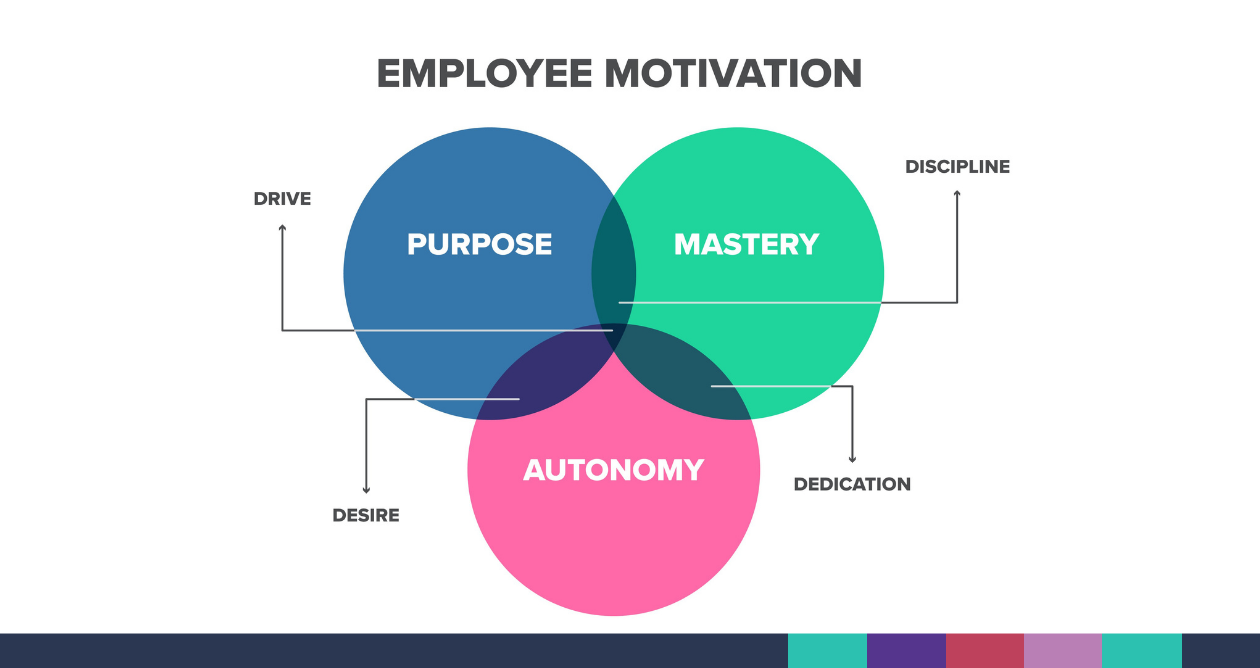
preahvihearhotel.com – In the quest to understand what motivates individuals to perform at their best, psychologists and organizational theorists have identified three core elements that drive human behavior: autonomy, mastery, and purpose. These pillars, when effectively leveraged, can lead to increased engagement, productivity, and overall job satisfaction. Let’s delve into each of these components to understand their significance and how they can be applied in various settings.

Autonomy: The Desire for Self-Direction

Autonomy is the innate desire to direct our own lives. It is about having the freedom to make choices and to exercise control over our work. When individuals have autonomy, they feel empowered to take initiative and are more likely to be creative and committed to their tasks.

In the workplace, autonomy can be fostered by providing employees with the opportunity to make decisions about how they do their work, rather than dictating every step of the process. This could mean setting flexible work hours, allowing remote work options, or giving teams the autonomy to determine the best approach to a project.

Mastery: The Pursuit of Excellence

Mastery is the urge to get better at something that matters. It is the intrinsic motivation to improve oneself and one’s skills. People are driven by the desire to be excellent at what they do, and this drive is not solely about external rewards; it is about the internal satisfaction of doing something well.

Organizations can support the pursuit of mastery by creating an environment that encourages learning and growth. This could involve offering professional development opportunities, mentorship programs, and constructive feedback mechanisms that help employees refine their skills and advance in their careers.

Purpose: The Yearning for Significance

Purpose is the sense that our work is meaningful and contributes to something larger than ourselves. It is about feeling that what we do makes a difference and aligns with our values and beliefs. When individuals find purpose in their work, they are more likely to be engaged and committed to their roles.

Leaders can instill a sense of purpose by clearly communicating the organization’s mission and values, and by demonstrating how each employee’s work contributes to the bigger picture. This could involve sharing success stories, highlighting the impact of the organization’s work on customers or the community, and creating a culture that values ethical and socially responsible practices.

Conclusion

Autonomy, mastery, and purpose are not just buzzwords; they are fundamental to understanding and enhancing human motivation. By fostering an environment that supports these three pillars, organizations can create a culture where employees are not just motivated, but also fulfilled and aligned with the organization’s goals. As we continue to navigate the complexities of the modern workplace, these principles remain a powerful framework for driving performance and satisfaction.

The Core of North Korea’s Governance: Workers’ Party of Korea

preahvihearhotel.com – The Workers’ Party of Korea (WPK) plays a pivotal role in the governance of North Korea, serving as the sole ruling party in the country. Founded in 1949, the WPK has been the dominant political entity in North Korea since its inception, shaping the nation’s political, economic, and social landscape.

Historical and Political Significance

The WPK was established through the merger of the Workers’ Party of North Korea and other communist groups. Since its formation, it has been the leading party in the coalition that governs North Korea, although it is not the only party represented in the Supreme People’s Assembly, the country’s legislative body. The party controls the Korean People’s Army, North Korea’s armed forces, and has a significant influence over all aspects of governance.

Governance and Control

The WPK exercises strict control over the government, with all government officials belonging to the party. It controls the electoral system, drawing up lists of approved candidates for elections, and maintains a tight grip on the political landscape. The party’s influence extends to all levels of government, ensuring that its policies and directives are implemented across the nation.

Leadership and Ideology

The WPK is led by the Kim family, with Kim Jong-un currently serving as the party’s general secretary. The party’s ideology, known as juche, emphasizes self-reliance and independence from foreign influence, which has been a cornerstone of North Korean policy since the 1960s. This ideology is deeply ingrained in the party’s governance, guiding its economic and foreign policies.

Challenges and Future

Despite its stronghold on governance, the WPK faces significant challenges, including economic stagnation and international isolation. The party has been working to revitalize the economy and improve living standards, but these efforts have been hampered by sanctions and internal inefficiencies.

Conclusion

The Workers’ Party of Korea remains the central and most powerful entity in North Korea, controlling all aspects of governance and policy-making. Its role is crucial in shaping the nation’s future, and its decisions have far-reaching implications for the country and the region. As North Korea navigates through various challenges, the WPK’s leadership and policies will continue to play a decisive role in the nation’s trajectory.

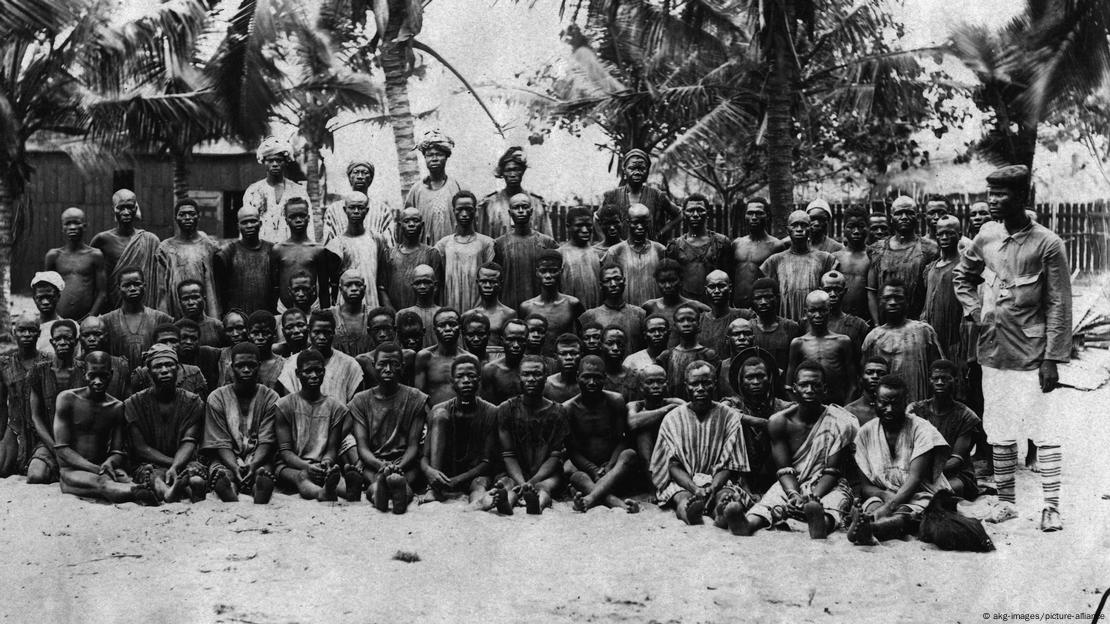
German Colonial Era in Togo: Infrastructure Legacy & Exploitation

preahvihearhotel.com – The German colonial era in Togo, which spanned from 1884 to 1914, was marked by significant developments in infrastructure and a heavy-handed approach to exploitation. This period was characterized by the construction of railways, the establishment of plantations, and the implementation of forced labor, which had lasting impacts on the country’s socio-economic landscape.

Infrastructure Development

One of the most notable aspects of German colonial rule in Togo was the extensive infrastructure development. The construction of three railways was a central feature of this period, aimed at opening up the interior of the country and facilitating the extraction of resources. Lomé, the colonial capital, was modernized, and a jetty was built to enhance maritime trade. These developments were part of a broader strategy to integrate Togo into the global market, particularly for the export of agricultural products such as palm products, rubber, cotton, and cocoa beans.

Exploitation and Forced Labor

Despite the advancements in infrastructure, the German colonial administration in Togo was marred by harsh treatment of the local population and the use of forced labor. The exploitation was primarily focused on the coastal and central areas, where plantations were established both by the government and private German corporations. The development of these plantations was largely left to the Togolese, who were assisted by agriculturists trained at a college in Nuatja (Notsé).

The cotton school experiment, initiated in 1900, exemplified the exploitative nature of German colonial policies. This program involved the exploitation of children and youth, juxtaposing child labor with education in a bid to enhance agricultural productivity. The use of forced labor in infrastructure projects, such as railroad construction, was another form of direct exploitation that characterized the German colonial era.

Impact and Legacy

The legacy of the German colonial era in Togo is complex, marked by both the tangible benefits of infrastructure development and the enduring scars of exploitation. The railways and modernized cities like Lomé laid the groundwork for future economic development, but the harsh treatment of the local population and the use of forced labor left a legacy of resentment and inequality.

After World War I, Togo was divided between British and French mandates, which continued to influence the country’s development trajectory. The infrastructure developed under German rule remained a crucial asset, but the socio-economic disparities and the memory of exploitation continued to shape Togo’s path towards independence and beyond.

In conclusion, the German colonial era in Togo was a period of significant infrastructure development and exploitation. While the railways and modern cities laid the groundwork for future economic growth, the use of forced labor and the harsh treatment of the local population left a lasting legacy that continues to influence Togo today.

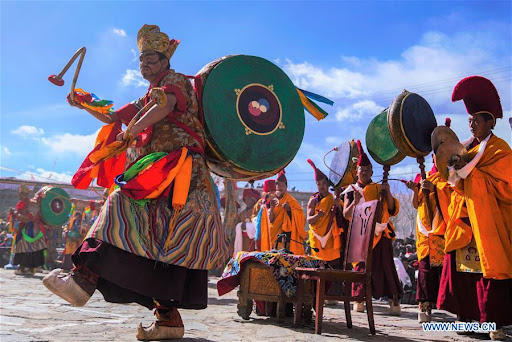
The Cham Dance: The Drum Dance of Tibet

preahvihearhotel.com – The Cham Dance, also known as the Drum Dance, is a sacred ritual dance performed in Tibet and other regions influenced by Tibetan Buddhism, such as Bhutan, Mongolia, and parts of Nepal. This dance is deeply rooted in the spiritual practices of Tibetan Buddhism and is performed by monks in monasteries during important festivals and religious occasions. The Cham Dance is not only a form of entertainment but also serves as a medium for transmitting religious teachings and invoking protective deities.

Origins and Significance

The origins of the Cham Dance can be traced back to the 8th century when Buddhism was introduced to Tibet. The dance is believed to have been developed as a means to convert the local Bon religion followers to Buddhism by incorporating elements of their rituals and deities into Buddhist practices. Over time, the Cham Dance became an integral part of Tibetan Buddhist culture, symbolizing the victory of good over evil and the triumph of wisdom over ignorance.

The Dance

The Cham Dance is a highly stylized and choreographed performance that involves a series of dances, each with its own symbolic meaning. The dances are accompanied by the rhythmic beating of drums, the blowing of long horns, and the chanting of monks. The performers, who are usually monks, wear elaborate masks and costumes that represent various deities, demons, and other mythical beings.

Costumes and Masks

The costumes and masks used in the Cham Dance are intricately designed and hold significant meaning. The masks, often colorful and fearsome, represent different deities and spirits. For example, a blue mask might represent a wrathful deity, while a white mask could symbolize a peaceful one. The costumes are equally elaborate, adorned with bells, mirrors, and other symbolic items.

Symbolism and Meaning

Each dance movement and gesture in the Cham Dance is symbolic, conveying a specific message or story. The dances often depict the battle between good and evil, with the performers enacting the roles of deities and demons. The climax of the dance usually involves the destruction of a demon or evil force, symbolizing the triumph of virtue over vice.

Festivals and Occasions

The Cham Dance is performed during various festivals and religious events throughout the year, with the most significant being the Monlam Prayer Festival and the Shoton Festival. These events attract thousands of devotees and tourists, providing a rare glimpse into the spiritual and cultural life of Tibet.

Preservation and Modern Interpretations

In recent years, the Cham Dance has faced challenges due to political and social changes in Tibet. However, efforts have been made to preserve this ancient tradition, both within Tibet and in exile communities around the world. Modern interpretations of the dance have also emerged, incorporating contemporary dance elements while maintaining the core spiritual and cultural essence of the Cham Dance.

Conclusion

The Cham Dance of Tibet is more than just a performance; it is a living testament to the rich spiritual and cultural heritage of Tibetan Buddhism. Through its intricate dances, symbolic costumes, and powerful music, the Cham Dance continues to captivate audiences and convey profound religious teachings. As the world becomes increasingly interconnected, the preservation and celebration of traditions like the Cham Dance are crucial for maintaining the diversity and richness of human culture.

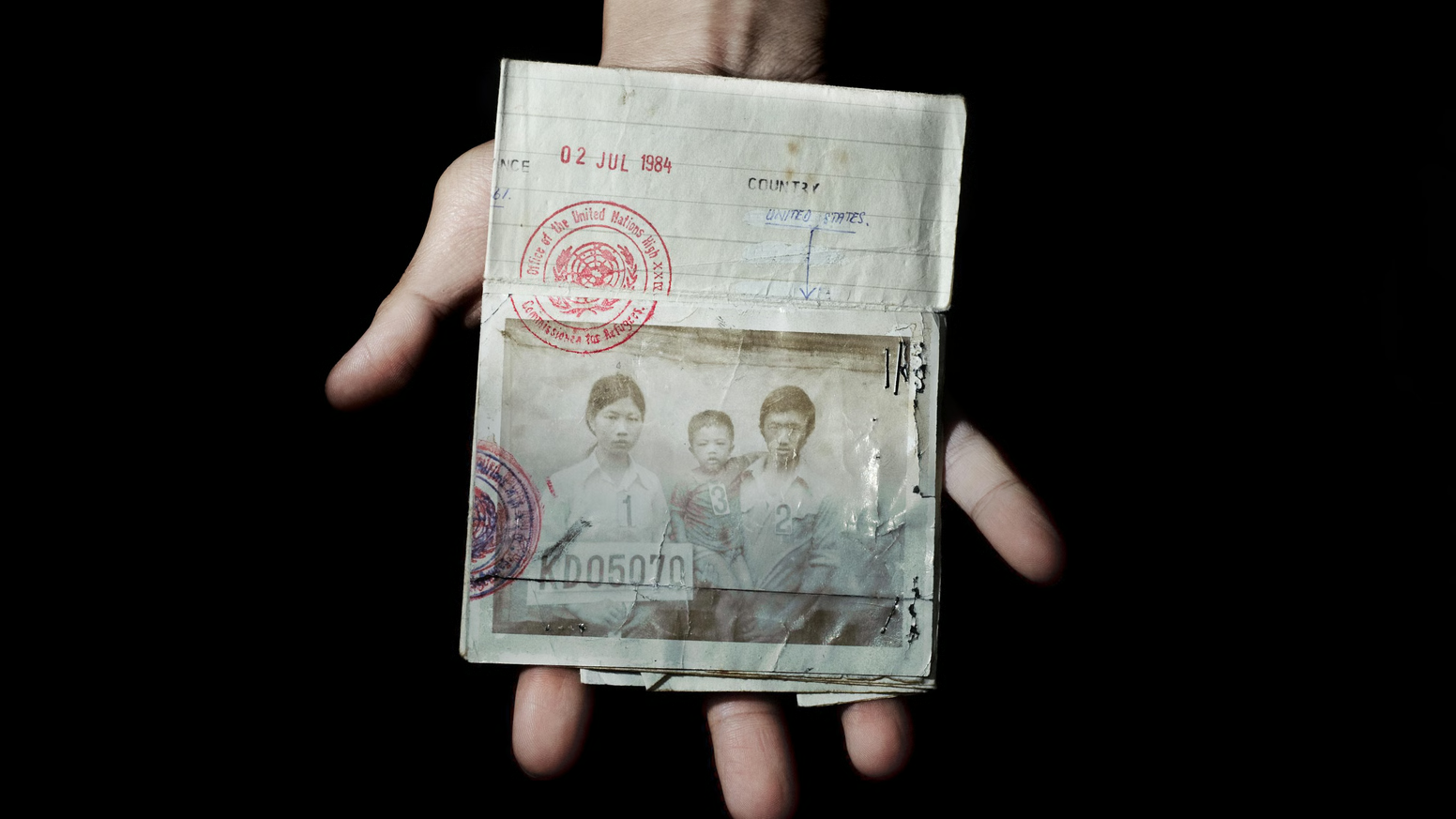
Connecting Across Borders: The Cambodian Diaspora

preahvihearhotel.com – The Cambodian diaspora, a term that encapsulates the global spread of Cambodian people, is a testament to the resilience and adaptability of a nation that has faced immense challenges throughout its recent history. From the ravages of the Khmer Rouge regime to the quest for stability and prosperity, Cambodians have sought new beginnings in countries across the world. This diaspora, while scattered, has become a powerful force for connection, cultural preservation, and development, bridging the physical and emotional distances between their homeland and their new homes.

Historical Context: The Formation of the Diaspora

The Cambodian diaspora’s roots can be traced back to the late 1970s and early 1980s, a period marked by the genocidal regime of the Khmer Rouge and the subsequent Vietnamese occupation. These tumultuous years led to a mass exodus of Cambodians seeking refuge and safety in neighboring countries and beyond. The United States, France, Australia, and Canada were among the destinations that welcomed these refugees, setting the stage for a global Cambodian community.

Cultural Preservation and Identity

Despite the geographical dispersion, the Cambodian diaspora has shown remarkable tenacity in preserving its cultural heritage. Communities around the world celebrate traditional festivals such as Khmer New Year and Pchum Ben, maintaining a sense of continuity and identity. Language schools, cultural associations, and temples play pivotal roles in transmitting the Khmer language and traditions to younger generations, ensuring the survival of Cambodian culture beyond the borders of the country.

Economic and Social Contributions

Members of the Cambodian diaspora have made significant contributions to their host countries, enriching local cultures and economies. From entrepreneurs and artists to healthcare professionals and educators, Cambodians have demonstrated a commitment to building inclusive communities and contributing to the social fabric of their adopted homes.

Bridging Borders: The Role of Technology

In the digital age, the Cambodian diaspora has leveraged technology to strengthen connections across borders. Social media platforms, online forums, and video conferencing tools have facilitated communication, enabling Cambodians worldwide to share experiences, support each other, and collaborate on projects that benefit both the diaspora and Cambodia itself.

Engaging with the Homeland

Many in the diaspora maintain strong ties with Cambodia, engaging in various ways to support the country’s development. Remittances sent by overseas Cambodians contribute significantly to the national economy, while diaspora members also invest in education, healthcare, and infrastructure projects. Additionally, the diaspora plays a crucial role in advocating for human rights and democracy in Cambodia, using their platforms to raise awareness and mobilize international support.

Challenges and Opportunities

The Cambodian diaspora faces its share of challenges, including navigating the complexities of integration while preserving cultural identity, and dealing with the trauma of the past. However, these challenges also present opportunities for growth and innovation. By embracing their dual identities, members of the diaspora can serve as cultural ambassadors, fostering understanding and cooperation between Cambodia and the rest of the world.

Conclusion

The Cambodian diaspora, with its rich tapestry of experiences and contributions, stands as a beacon of hope and resilience. By connecting across borders, Cambodians worldwide are not only preserving their heritage but also enriching the global community. As the diaspora continues to evolve, its potential to bridge cultures, foster development, and advocate for a better future for Cambodia remains limitless. The story of the Cambodian diaspora is one of endurance, adaptation, and the unbreakable bonds that unite a people, no matter how far they may roam.

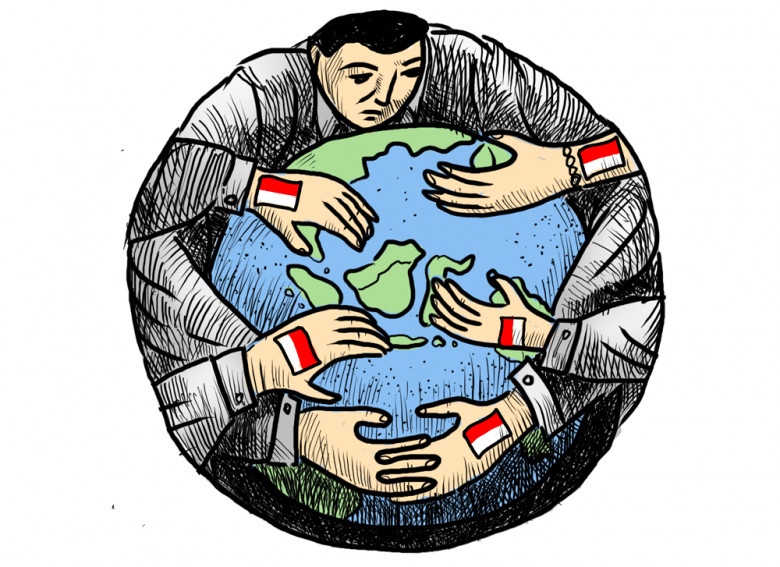
Global Connections: The Indonesian Diaspora

preahvihearhotel.com – The Indonesian diaspora, a term that refers to people of Indonesian origin who live outside of Indonesia, is a vibrant and diverse community that spans the globe. This diaspora is a testament to the global reach of Indonesian culture, language, and influence. With millions of Indonesians living in various countries, the diaspora plays a crucial role in fostering global connections, cultural exchange, and economic development. This article explores the Indonesian diaspora’s impact on global connections, its contributions to host countries, and its role in strengthening ties between Indonesia and the rest of the world.

The Scope of the Indonesian Diaspora

The Indonesian diaspora is spread across all continents, with significant populations in countries such as Malaysia, Saudi Arabia, the United States, Australia, and the Netherlands. The reasons for migration vary, including education, work, marriage, and seeking better economic opportunities. The diaspora is characterized by its diversity, with members hailing from different ethnic groups, religions, and socio-economic backgrounds.

Cultural Ambassadors

Members of the Indonesian diaspora act as cultural ambassadors, introducing Indonesian traditions, cuisine, and arts to their host communities. Through festivals, cultural events, and social gatherings, they share the rich tapestry of Indonesian culture, promoting understanding and appreciation of Indonesia’s heritage. This cultural exchange enriches the host societies and strengthens the bonds between Indonesia and other countries.

Economic Contributions

The Indonesian diaspora is also a significant economic force. Many members of the diaspora are professionals, entrepreneurs, and skilled workers who contribute to the economies of their host countries. Additionally, remittances sent back to Indonesia by the diaspora provide a vital source of income for families and contribute to the country’s economic development.

Bridging Cultures and Businesses

The diaspora serves as a bridge between Indonesia and the rest of the world, facilitating business and investment opportunities. With their understanding of both Indonesian and international markets, members of the diaspora are well-positioned to foster economic partnerships and collaborations. They often act as consultants, advisors, and facilitators for companies looking to expand their operations into or out of Indonesia.

Challenges and Opportunities

While the Indonesian diaspora plays a crucial role in global connections, it also faces challenges. Issues such as integration, discrimination, and maintaining cultural identity are common concerns. However, these challenges also present opportunities for growth and innovation. The diaspora’s resilience and adaptability enable them to navigate these issues and contribute positively to their host and home countries.

Conclusion

The Indonesian diaspora is a vital link in the global community, connecting Indonesia with the rest of the world through culture, economy, and social ties. As the world becomes increasingly interconnected, the role of the diaspora in fostering global connections will only grow. By embracing their dual identities and leveraging their unique positions, members of the Indonesian diaspora will continue to make significant contributions to both their host countries and Indonesia, enriching the global tapestry with their diverse experiences and perspectives.

Budget Travel in Guatemala: Central American Charms

preahvihearhotel.com – Guatemala, nestled in the heart of Central America, is a country that boasts a rich tapestry of culture, history, and natural beauty. From the towering volcanoes to the ancient Mayan ruins, and from the vibrant markets to the serene lakes, Guatemala offers a plethora of experiences for travelers. But what makes this destination truly special is the opportunity for budget travel, allowing visitors to explore its wonders without breaking the bank. In this article, we’ll delve into the charms of Guatemala and provide tips on how to enjoy this enchanting country on a budget.

The Allure of Guatemala

Guatemala is a country where the past and present converge, creating a unique atmosphere that captivates travelers. The land is dotted with remnants of the Mayan civilization, such as the majestic Tikal, which rises above the jungle canopy, and the mysterious ruins of El Mirador, shrouded in the mist of the rainforest. These archaeological sites not only offer a glimpse into the sophisticated society of the Maya but also provide a backdrop for adventure seekers to explore.

Beyond its historical riches, Guatemala is renowned for its natural landscapes. The country is home to over 30 volcanoes, some of which are still active, offering breathtaking views and challenging climbs. The stunning Lake Atitlán, surrounded by volcanoes and dotted with indigenous villages, is another highlight, offering tranquility and cultural immersion.

Budget Travel Tips

Accommodation

One of the keys to budget travel in Guatemala is finding affordable accommodation. Hostels are plentiful and offer a range of amenities, from basic dorm rooms to private rooms with en-suite bathrooms. Many hostels also provide communal kitchens, allowing travelers to save money by cooking their meals. For those seeking a more local experience, consider homestays, especially in smaller towns and villages, where you can immerse yourself in Guatemalan family life and learn about the culture firsthand.

Transportation

Guatemala’s transportation network is affordable and relatively efficient. Chicken buses, the repurposed American school buses, are a quintessential part of the travel experience. They are colorful, loud, and often packed, but they offer the cheapest way to get around the country. For longer distances, overnight buses are a cost-effective option, allowing you to save on a night’s accommodation.

Food

Guatemalan cuisine is a delightful mix of indigenous and Spanish influences, with plenty of options for budget travelers. Street food is both delicious and inexpensive, offering everything from traditional tamales to grilled corn and empanadas. Local markets are another great place to sample Guatemalan dishes, with fresh produce and homemade specialties available at low prices.

Activities

Guatemala is a paradise for outdoor enthusiasts, with numerous activities that won’t strain your budget. Hiking and trekking are popular, with trails leading to volcanoes, waterfalls, and through coffee plantations. For those interested in culture, visiting local markets and participating in community tours can provide insight into Guatemalan life and support local economies.

Conclusion

Traveling on a budget in Guatemala is not only possible but also rewarding. By embracing local transportation, seeking out affordable accommodation, and indulging in the local cuisine, you can experience the full spectrum of this country’s charms without overspending. Whether you’re exploring ancient ruins, marveling at natural wonders, or engaging with the vibrant local culture, Guatemala offers an unforgettable adventure that won’t break the bank. So pack your bags, tighten your belt, and get ready to discover the wonders of Guatemala on a budget.

An Insight into the World’s Most Dangerous Countries

preahvihearhotel.com – In a world where safety and security are paramount, there exist regions that defy the norms of peace and order. These are the lawless lands, territories where the rule of law is either absent or severely compromised, making them some of the most dangerous places on Earth. From rampant crime and violence to political instability and civil unrest, these countries pose significant risks to both their inhabitants and visitors. This article delves into the characteristics and challenges of these perilous nations, offering a glimpse into the harsh realities they face.

The Criteria for Danger:
Before we explore these countries, it’s essential to understand the criteria that define a nation as dangerous. Factors such as crime rates, terrorism, political instability, civil unrest, and the presence of armed conflicts are critical indicators. Additionally, the inability of the government to maintain control and provide essential services contributes to the overall danger level.

The World’s Most Dangerous Countries:

  1. Syria:
    Since the outbreak of the Syrian Civil War in 2011, the country has become synonymous with chaos and destruction. The conflict has led to a humanitarian crisis, with millions of refugees fleeing the violence. The presence of various militant groups, including ISIS, has further exacerbated the situation, making Syria one of the most dangerous places in the world.
  2. Afghanistan:
    Long embroiled in conflict, Afghanistan has been a battleground for various factions, including the Taliban. The country has one of the highest rates of terrorism and has struggled with insurgency, political instability, and human rights abuses. The withdrawal of international forces has left a power vacuum, leading to increased violence and uncertainty.
  3. Somalia:
    Known for its piracy and terrorism, Somalia has been without a functioning central government for decades. The country is plagued by clan-based conflicts, al-Shabaab militants, and a severe drought that exacerbates the humanitarian crisis. The lawlessness has made it a breeding ground for extremism and violence.
  4. Yemen:
    Yemen is in the midst of a brutal civil war, with various factions vying for control. The conflict has led to a catastrophic humanitarian crisis, with widespread famine, disease, and displacement. The involvement of regional powers has further complicated the situation, turning Yemen into a highly volatile and dangerous country.
  5. Iraq:
    Despite significant progress in stabilizing the country after the defeat of ISIS, Iraq still faces significant challenges. Sectarian tensions, political instability, and sporadic terrorist attacks continue to threaten the nation’s security. The country’s future remains uncertain as it navigates a complex web of internal and external pressures.

The Impact on Citizens and the International Community:
The lawlessness in these countries has devastating effects on their populations, leading to widespread suffering and loss of life. The international community is also affected, as these regions can become hotbeds for terrorism and organized crime, posing a global threat. Humanitarian efforts are often hindered by the dangerous conditions, making aid delivery perilous and challenging.

Conclusion:
The lawless lands represent a stark reminder of the fragility of peace and the importance of governance and stability. While the challenges these countries face are daunting, international cooperation and support are crucial in helping them navigate towards a path of recovery and security. As the world watches these nations struggle, it is essential to remember the human cost of lawlessness and to support efforts that aim to restore peace and order to these dangerous lands.