Exploring Mount Tai: A Sacred Peak in Chinese Culture

preahvihearhotel.com – Mount Tai, known as Tai Shan in Chinese, is one of the most revered mountains in China and holds deep cultural, historical, and spiritual significance. Located in Shandong Province, this majestic peak is part of the Five Great Mountains of China, which have been worshipped since ancient times. With its breathtaking landscapes and rich heritage, Mount Tai attracts pilgrims, tourists, and nature enthusiasts from around the world.

Historical Significance

Mount Tai has been a place of worship for over 3,000 years, with emperors of various dynasties making the pilgrimage to offer sacrifices to heaven and earth. It was believed to be the abode of the gods and a meeting point between the earthly and the divine. Many Chinese emperors performed ceremonial rites on Mount Tai to legitimize their rule and seek blessings for their reign.

The mountain is home to numerous historical and cultural relics, including ancient temples, stone inscriptions, and tablets. These artifacts provide a window into the spiritual practices and artistic achievements of past civilizations. The Temple of the God of Mount Tai and the Azure Cloud Temple are among the most significant religious sites on the mountain.

Cultural and Spiritual Importance

Mount Tai is often associated with sunrise, renewal, and rebirth, symbolizing the beginning of a new life. It has inspired poets, artists, and philosophers throughout Chinese history, becoming a central theme in Chinese literature and art. The mountain’s spiritual aura and natural beauty have made it a popular subject for traditional Chinese landscape paintings and poetry.

The Confucian philosopher Confucius is said to have visited Mount Tai, and his teachings have further enhanced the mountain’s cultural importance. The idea of ascending Mount Tai to gain a broader perspective on life has become a metaphor in Chinese thought.

Natural Beauty and Scenic Spots

Mount Tai offers stunning natural landscapes, with its highest peak, Jade Emperor Peak, reaching 1,545 meters (5,069 feet) above sea level. The mountain is renowned for its majestic sunrise views, lush forests, and diverse flora and fauna. The scenic area is dotted with ancient pines, stone paths, and waterfalls, creating a serene environment for visitors.

Popular hiking routes, such as the Red Gate Path, lead to the summit, offering breathtaking views and a chance to experience the mountain’s spiritual ambiance. The climb is often seen as a symbolic journey of perseverance and enlightenment, with many visitors choosing to ascend the mountain at night to witness the sunrise from the top.

Modern-Day Pilgrimage and Tourism

Today, Mount Tai is a UNESCO World Heritage Site and a popular tourist destination, attracting millions of visitors each year. It remains a site of pilgrimage for those seeking spiritual fulfillment and a deeper connection to Chinese heritage. The mountain’s rich history and cultural significance continue to draw people from all walks of life, eager to experience its timeless allure.

Conclusion

Mount Tai stands as a testament to the enduring spiritual and cultural traditions of China. Its majestic peaks and ancient relics offer a unique glimpse into the country’s past, while its natural beauty provides inspiration and tranquility. Whether you are a pilgrim, a history enthusiast, or a nature lover, a visit to Mount Tai promises an unforgettable journey through one of China’s most sacred landscapes.

Exploring Duque de Caxias: A City of Industry and Culture

preahvihearhotel.com – Duque de Caxias is a prominent city located in the state of Rio de Janeiro, Brazil. Known for its industrial prowess and cultural vibrancy, this city plays a vital role in the economic landscape of the region while offering a rich tapestry of cultural experiences.

Historical Background

Early Settlement

Duque de Caxias originally began as a small settlement during the colonial period. It gradually grew in importance due to its strategic location near the city of Rio de Janeiro and its connection to major transportation routes.

Growth and Industrialization

Incorporated as a city in 1943, Duque de Caxias experienced rapid industrial growth in the mid-20th century. Its development was driven by the establishment of numerous factories and industries, particularly in the petrochemical and manufacturing sectors.

Economic Hub

Industrial Significance

Duque de Caxias is one of the most industrialized cities in Brazil, home to a significant portion of the country’s petrochemical industry. The city hosts a major refinery of Petrobras, Brazil’s state-controlled oil company, which serves as a cornerstone of its economy.

Commercial Activity

Beyond its industrial base, Duque de Caxias boasts a thriving commercial sector. The city’s retail and service industries cater to both local residents and neighboring areas, contributing to its economic vitality.

Cultural Landscape

Museums and Heritage

The city offers several cultural attractions, including the Museu Ciência e Vida, which focuses on science and education. Additionally, the local cultural scene is enriched by various community events and traditions that reflect the diverse heritage of its population.

Festivals and Events

Duque de Caxias hosts a variety of festivals and cultural events throughout the year, celebrating everything from local cuisine to music and arts. These events provide opportunities for both residents and visitors to engage with the city’s vibrant community spirit.

Urban and Natural Attractions

Parks and Recreation

Although an industrial hub, Duque de Caxias is also committed to preserving green spaces. Parks such as Parque Equitativa offer areas for recreation and leisure, providing a refreshing escape from urban life.

Architectural Highlights

The city features a mix of architectural styles, with historical buildings standing alongside modern developments. This blend reflects the city’s evolution and growth over the decades.

Challenges and Opportunities

Urban Development

As Duque de Caxias continues to grow, it faces challenges related to urban development and infrastructure. Efforts are underway to improve public transportation and housing, aiming to enhance the quality of life for its residents.

Economic Diversification

While industry remains a key driver of the local economy, there are opportunities for diversification into sectors such as technology and services, which could provide new avenues for growth and employment.

Conclusion

Duque de Caxias is a city that combines industrial strength with cultural richness, offering a unique environment where history and modernity coexist. Whether exploring its industrial landscape or participating in its cultural festivities, Duque de Caxias presents a dynamic and engaging experience for all who visit.

Service: Strategies for Building a Customer-Centric Culture

preahvihearhotel.com – In today’s competitive business landscape, service excellence is not just a buzzword; it’s a critical component for success. Companies that prioritize customer satisfaction and build a customer-centric culture are more likely to thrive and retain their market position. This article explores strategies for fostering a culture that values service excellence, ensuring that every interaction with a customer is positive and impactful.

Understanding Service Excellence

Service excellence is the ability to consistently exceed customer expectations by providing high-quality service. It involves understanding customer needs, delivering personalized experiences, and continuously improving processes to ensure customer satisfaction.

Leadership Commitment

The foundation of a customer-centric culture begins with leadership. Executives must demonstrate a commitment to service excellence by setting clear expectations, leading by example, and investing in the necessary resources to support customer-focused initiatives.

Employee Training and Empowerment

Employees are on the front lines of delivering service excellence. Comprehensive training programs that equip staff with the knowledge and skills to handle customer interactions effectively are essential. Empowering employees to make decisions and solve problems on the spot can also enhance the customer experience.

Customer Feedback Mechanisms

Gathering and acting on customer feedback is crucial for continuous improvement. Implementing feedback mechanisms such as surveys, suggestion boxes, and social media monitoring can provide valuable insights into customer satisfaction and areas for enhancement.

Personalization and Customer Relationship Management (CRM)

In the digital age, personalization is key. Utilizing CRM systems to track customer interactions and preferences allows businesses to tailor their services to individual needs, fostering loyalty and repeat business.

Streamlining Processes

Efficient and streamlined processes can significantly improve service delivery. Regularly reviewing and optimizing workflows can reduce wait times, minimize errors, and enhance overall customer satisfaction.

Recognition and Rewards

Recognizing and rewarding employees for exemplary service can motivate the team and reinforce the company’s commitment to service excellence. Celebrating successes and learning from failures can create a positive and proactive work environment.

Continuous Improvement

Service excellence is an ongoing journey. Companies should adopt a culture of continuous improvement, always seeking new ways to enhance the customer experience. This could involve staying abreast of industry trends, leveraging technology, and fostering innovation.

Conclusion

Building a customer-centric culture is a multifaceted endeavor that requires dedication, strategy, and continuous effort. By prioritizing service excellence, businesses can differentiate themselves, build lasting customer relationships, and achieve long-term success.

Celebrating Culture and Community: Island Festivals

preahvihearhotel.com – Island festivals are vibrant tapestries woven from the threads of tradition, community, and natural beauty. These celebrations, often deeply rooted in the heritage of the islands, serve as a beacon for cultural preservation and a vibrant expression of the unique spirit of island life. From the Caribbean to the Pacific, and from the Mediterranean to the Indian Ocean, island festivals offer a kaleidoscope of experiences that reflect the diversity and richness of island cultures.

The Heart of Island Festivals

At the core of island festivals is the celebration of community. These events bring together people from all walks of life, fostering a sense of unity and belonging. Whether it’s a small, local gathering or a large-scale event that attracts visitors from around the globe, the essence of island festivals lies in the shared joy and collective participation.

Cultural Preservation

Island festivals play a crucial role in preserving and promoting cultural heritage. Through music, dance, art, and cuisine, these celebrations keep traditions alive, ensuring that the stories, beliefs, and practices of the past are passed down to future generations. For many island communities, these festivals are not just a form of entertainment but a vital means of cultural education and identity affirmation.

Music and Dance: The Soul of Festivities

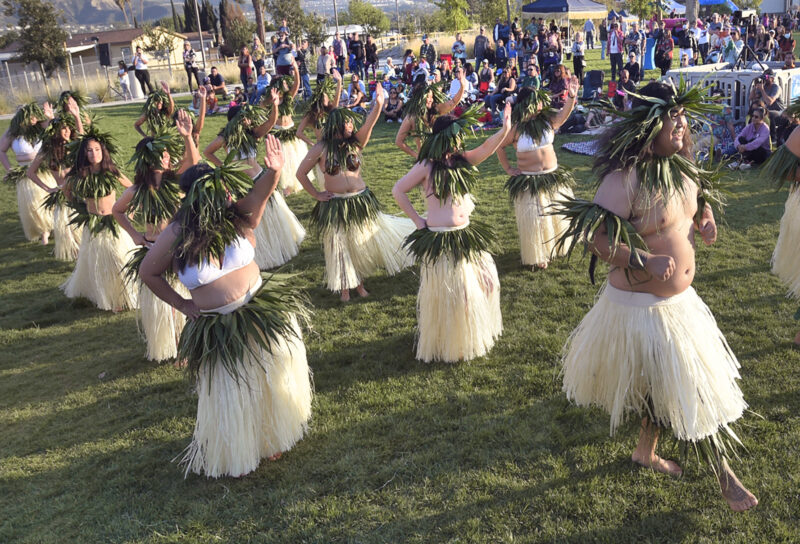
Music and dance are the lifeblood of island festivals. From the rhythmic beats of Caribbean steel drums to the haunting melodies of Pacific Island chants, music resonates with the history and soul of the islands. Dance, often performed in colorful traditional attire, tells stories of love, war, and the gods, bringing ancient legends to life. These performances are not mere spectacles but deeply meaningful expressions of cultural identity and history.

Cuisine: A Feast for the Senses

Island festivals are also a culinary journey, offering a taste of the islands’ rich and diverse food culture. From spicy Caribbean jerk chicken to the fresh seafood dishes of the Mediterranean, festival-goers are treated to a variety of flavors that reflect the islands’ unique ingredients and cooking techniques. Food stalls and communal feasts are central to many festivals, providing an opportunity for locals and visitors alike to savor the tastes of the islands.

Environmental Celebration

Many island festivals also celebrate the natural environment, highlighting the islands’ stunning landscapes and the importance of environmental conservation. From beach clean-ups to cultural practices that honor the land and sea, these festivals remind participants of the delicate balance between human life and the natural world.

Attracting the World

While deeply rooted in local traditions, island festivals have a global appeal. They attract tourists eager to experience the unique cultures and natural beauty of the islands. This influx of visitors not only supports the local economy but also promotes cultural exchange, as people from different parts of the world come together to celebrate.

Conclusion

Island festivals are more than just celebrations; they are a testament to the resilience and vibrancy of island cultures. They keep traditions alive, foster community spirit, and celebrate the beauty of the natural world. Whether you’re a local or a visitor, participating in an island festival offers a unique opportunity to experience the heart and soul of island life. These festivals remind us of the importance of preserving our cultural heritage, celebrating our communities, and living in harmony with the environment. As we navigate the challenges of the modern world, the spirit of island festivals offers a beacon of hope, unity, and joy.

Wine in Royal Culture: The Vine and the Crown

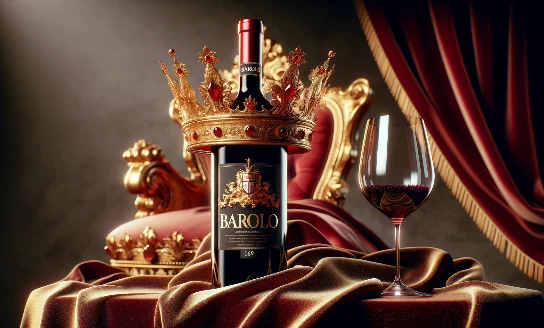
preahvihearhotel.com – Wine, a fermented beverage with a history that stretches back thousands of years, has played a significant role in the lives of royalty across the globe. From ancient civilizations to modern monarchies, the vine and the crown have been intertwined in a relationship that reflects the cultural, economic, and diplomatic dimensions of royal life. This article explores the multifaceted role of wine in royal culture, examining its historical significance, ceremonial use, and the impact of royal patronage on the wine industry.

Historical Significance

The connection between wine and royalty is as old as the art of winemaking itself. In ancient civilizations, wine was often considered a divine beverage, reserved for the gods and their earthly representatives, the kings and queens. In the ancient Near East, the Sumerians, Egyptians, and later the Greeks and Romans, all had their own gods of wine, such as Dionysus in Greek mythology and Bacchus in Roman, who were celebrated with grand festivals that included royal participation.

Wine was not only a symbol of wealth and status but also a diplomatic tool. The gift of fine wine was a common practice among royal courts, used to seal alliances, celebrate peace, or mark significant events. The Roman Emperor Augustus, for example, was known to have sent wine as a gift to other rulers, showcasing the sophistication and power of the Roman Empire.

Ceremonial Use

In royal culture, wine has been an integral part of ceremonies and rituals. From coronations to banquets, wine has been served to honor guests, celebrate victories, and commemorate important occasions. The British monarchy, for instance, has a long tradition of toasting with wine during state dinners and other formal events. The Queen’s cellar is stocked with a variety of wines, including some of the oldest and rarest bottles in the world.

The French royalty, particularly during the reign of the Bourbon kings, took the art of winemaking and wine consumption to new heights. The Palace of Versailles was not only a center of political power but also a hub for the cultivation of the finest vineyards. The Sun King, Louis XIV, was known for his extravagant banquets where the finest French wines flowed freely.

Royal Patronage

Royal patronage has had a profound impact on the wine industry. Monarchs have been instrumental in promoting viticulture and winemaking, often owning vast vineyards and wineries. The Spanish royal family, for example, has been involved in the production of sherry, while the Italian royal family has been associated with the production of wines from regions like Piedmont and Tuscany.

In more recent times, Prince Charles of Wales has shown his commitment to organic and biodynamic farming practices through his Duchy Originals brand, which includes a range of wines produced from his own vineyards. This has helped to raise awareness about sustainable winemaking practices among the public and within the industry.

Conclusion

The Vine and the Crown: Wine in Royal Culture is a testament to the enduring relationship between wine and royalty. From ancient times to the present day, wine has been an essential element of royal life, reflecting the shifting cultural, economic, and diplomatic landscape throughout history. As monarchies continue to evolve, so too does their relationship with wine, ensuring that the vine and the crown remain intertwined for generations to come. Whether it’s through ceremonial use, diplomatic gifts, or royal patronage, wine remains a symbol of luxury, sophistication, and power in the world of royalty.